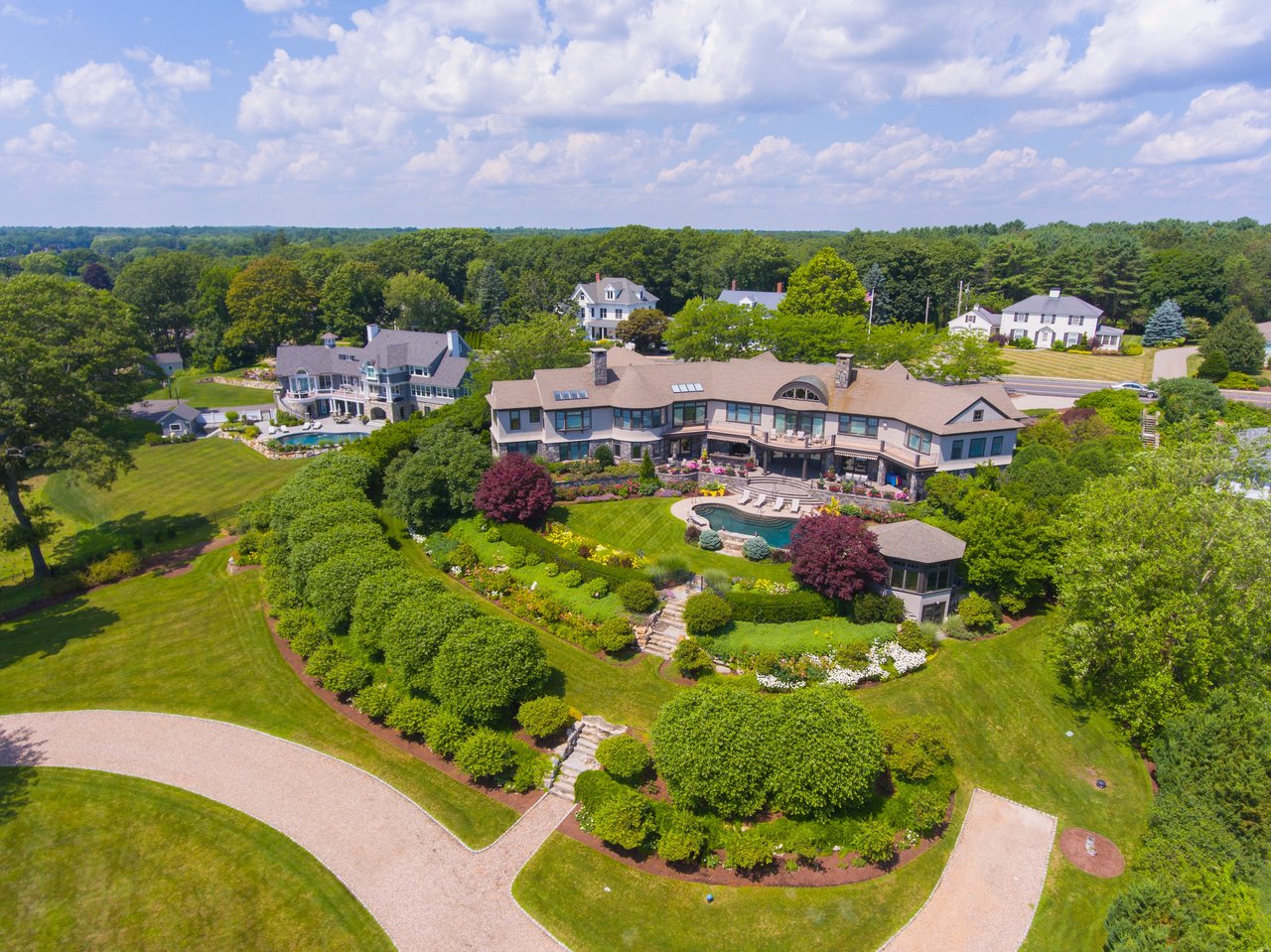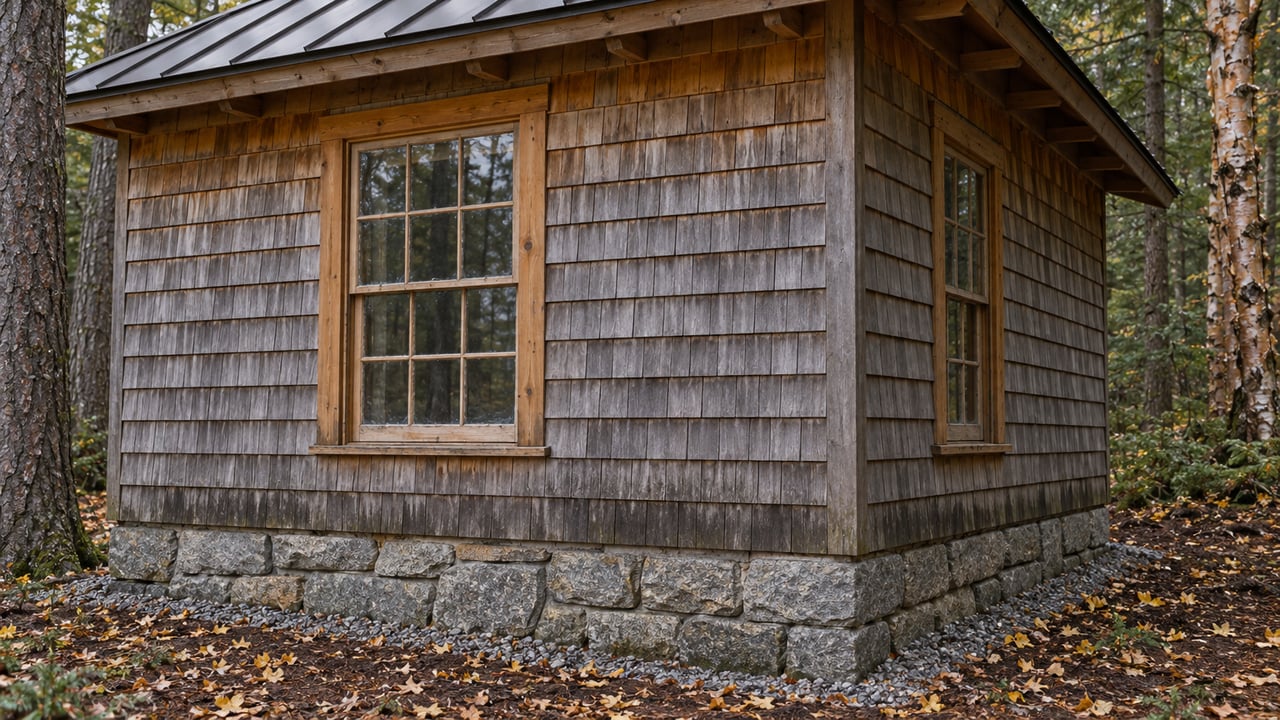
The listing photos show knotty pine walls, a screened porch angled toward Big Squam, and a dock that's clearly seen forty summers of bare feet. The price is lower than you'd expect for lake frontage, sometimes by six figures compared to what a similar footprint would run on Winnipesaukee. Then, three paragraphs down, past the description of loon calls and the view of Rattlesnake Ridge, one word does a lot of quiet work: seasonal.
Most buyers read that word as a mood. Cozy, rustic, a place you close up for winter. In New Hampshire, it isn't just a mood: the septic system's design can affect whether a camp is suited to year-round living.
The Word Is a Permit Category, Not a Personality
A septic system built for a seasonal camp is engineered around low, intermittent use. Warm weather, weekend and vacation-week occupancy, and long stretches with nobody home at all. That's a very different load profile than a family living there full time, cooking three meals a day and running the washer through a New Hampshire winter. State guidance is direct on this point: a system designed for low-flow, warm-weather use is rarely adequate for full-time occupancy, especially once the ground freezes.
That's why New Hampshire treats the switch from seasonal to year-round use as a regulated event, not a renovation choice. This isn't a one-town quirk: Kingston, Gilmanton, and Salem each have requirements for seasonal conversions.
The state rule governing all of this, Env-Wq 1000, was just revised, with the updated design standards and application forms taking effect February 1, 2026. Anyone submitting a septic application in Holderness or anywhere else in New Hampshire right now is already working under the new version. If you're evaluating a camp today, the version of the rulebook you're up against is the current one, not whatever was in place when the cottage was last renovated in the 1990s.
Squam Adds Its Own Layer on Top
Squam Lake carries the same New Hampshire Shoreland Water Quality Protection Act rules that apply to Winnipesaukee: a 250-foot protected shoreland zone measured from the reference line, a 50-foot setback for structures, and a septic setback that runs 75 to 125 feet depending on the soil, all under RSA 483-B. None of that is unique to Squam. What makes Squam a different negotiation is the culture layered on top of the statute. Big Squam has no houseboats and a posted 40 mph daytime speed limit that drops to 20 mph at night, and stretches of its shoreline are permanently in conservation and will never see a new structure. A buyer who assumes the rules are the same everywhere on the lake can find out otherwise only after the purchase and sale agreement is signed.
What the Conversion Actually Runs
Numbers help more than warnings here. A documented case study of a 1,500-square-foot lakeside cottage in Belknap County, built in the 1970s with minimal insulation and no heating system, walks through what full conversion actually costs.
| Line item | Typical range |
|---|---|
| Standard septic system design and installation | $8,000 to $15,000 |
| Engineered septic system (poor soil, ledge, or environmentally sensitive site) | $20,000 to $35,000 |
| Full seasonal-to-year-round conversion (insulation, heating, electrical, plumbing, septic) | $75,000 to $150,000 |
| Approximate cost per square foot of renovation | About $57 |
In that Belknap County case, the septic replacement alone ran $12,000. Once every system in the house was brought up to year-round standard, annual operating costs (heat, water, septic maintenance, insurance) rose from roughly $2,400 as a seasonal property to about $6,800 as a full-time residence. The upside: the property appraised $85,000 higher after conversion, recovering the investment within three years for that owner. The math can work. It just isn't the math printed on the listing sheet, and it isn't optional once you decide to live there past Labor Day.
Checking Septic Records Before You Buy
The record trail has some important gaps. According to NHDES, New Hampshire's septic system records only go back to 1967, the year the Subsurface Systems law was enacted. Records from before that simply don't exist. Systems installed between 1967 and 1986 exist only on paper, and the digitization of those files is still ongoing at the state level. That means a camp built in the 1950s or 60s, exactly the era that produced most of the classic wood-sided cottages around Squam, may have no septic record on file with the state or the town at all.
Practically, this means you can't assume the current owner's word, or even the town's file cabinet, will tell you what's actually in the ground. If you're serious about a property that's listed as seasonal, budget for a full site evaluation and new design regardless of what anyone tells you already exists. A thorough septic inspection tied to a real estate transaction in New Hampshire typically runs $400 to $750, cheap insurance against a $12,000 to $35,000 surprise.
Reading the Local Numbers Against All of This
Holderness itself isn't a large market. Over the twelve months ending in September 2026, roughly 27 homes sold in town, with a median sale price around $660,000 and an average list price closer to $789,000. Homes here have also been sitting longer than the national pace, an average of 65 days on market compared with 56 days nationally.
Put those two facts next to each other and a pattern shows up. A market this thin, with a conservation ethic that keeps new construction limited around the shoreline, doesn't generate a lot of true bargains. When a listing on Squam does come in noticeably below the town median, the seasonal classification is often the reason why, not a coincidence. The lower number on the sign is doing the same job as the word "seasonal" in the description: it's telling you the property hasn't yet paid the cost of becoming a year-round home. Whether that's a good deal for you depends entirely on whether $75,000 to $150,000 in conversion work still lands below what a comparable year-round property would cost outright, and that's a calculation worth doing before you write the offer, not after the inspection period closes.
Questions Worth Asking Before You Offer
- Is the property currently classified and taxed as seasonal or year-round with the town?
- Does the existing septic system have a record on file with NHDES, and if so, from what year?
- What flow rate and bedroom count was the current system designed for?
- Are there deed covenants affecting clearing, rebuilding, or dock placement on this specific parcel?
- Has the seller had a recent septic pump-out or evaluation, and can you get those records?
A Couple of Things People Ask Us Directly
How can I find out what a seasonal camp needs for year-round living? A permitted septic designer can evaluate the site.
Should I get a septic inspection before closing in New Hampshire? A septic inspection is strongly recommended, and NHDES advises pumping a tank every three to five years regardless of whether a sale is happening. Given how much a converted camp's future costs hinge on the septic system's condition, skipping that inspection here is a bigger risk than it would be on an inland year-round home.
If you're looking at a camp on Squam and the word seasonal is sitting in the listing, it's worth a conversation before it's worth an offer. Bailey Clermont Realty can help you sort out what that classification actually means for the specific parcel you're considering, and what the honest total cost looks like once the septic question gets answered.
This article is general information, not legal, tax or financial advice. Consult a qualified professional about your situation.