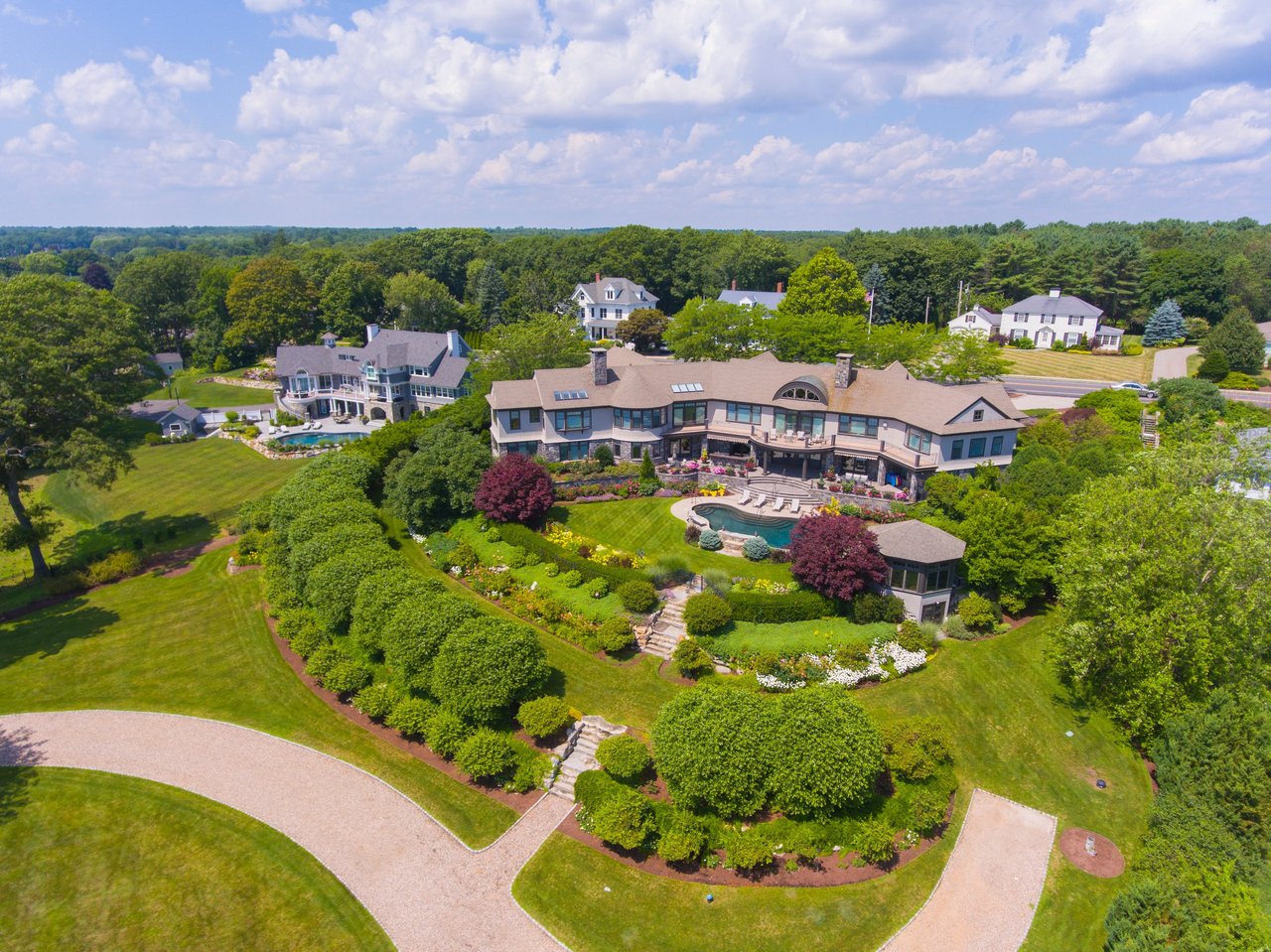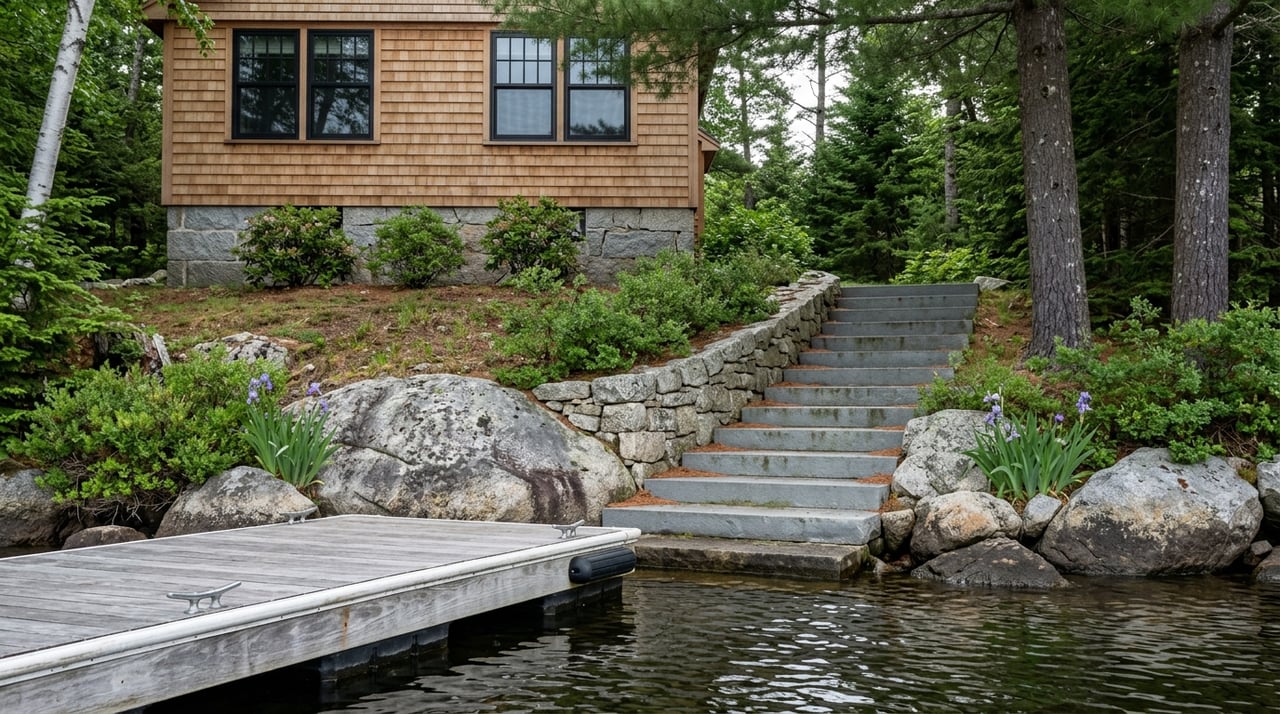
If you’re dreaming about life on Lake Winnipesaukee, one question matters more than almost any other: do you want waterfront living or island living? Both can deliver the classic Lakes Region experience, but your day-to-day routine can feel very different depending on how you access your home. If you’re comparing options in and around Laconia and the 03246 market, this guide will help you think through the real tradeoffs so you can choose a property that fits the way you actually live. Let’s dive in.
Start With Access
On Lake Winnipesaukee, access is often the biggest difference between waterfront and island properties. The lake covers about 44,586 acres and has roughly 240 miles of shoreline, so not every home functions the same way even if both are “on the lake.”
For many buyers, waterfront living feels simpler because your home stays tied to the road system. That usually means easier arrivals, more straightforward deliveries, and less planning when friends or family come to visit.
Island living can be very different. In many cases, your routine depends on whether the island has bridge access or whether you need a boat, and in some areas winter access may depend on frozen-lake conditions.
Waterfront Living Basics
Waterfront homes usually appeal to buyers who want lake access with fewer moving parts. You still get the lifestyle benefits of being right on Winnipesaukee, but your daily logistics are often easier to manage than they would be on a boat-access property.
That does not mean waterfront ownership is unrestricted. Shoreline use on Lake Winnipesaukee is regulated, and buyers should expect rules around what can be placed near the water and how boating access is set up.
Moorings and Shoreline Rules
Under New Hampshire law, a mooring permit is required for any mooring on Lake Winnipesaukee. The process generally requires proof of need, proof of boat ownership or use, legal land access to the mooring, and other supporting information.
The law also generally limits a shorefront property to one adjacent mooring. That matters if you picture keeping multiple boats close to your property, since the setup may be more limited than you expect.
Gilford land use guidance also notes that only docks and boathouses may be placed within 50 feet of Lake Winnipesaukee. In practical terms, the shoreline area may be more controlled than many first-time lake buyers assume.
Why Waterfront Often Feels Easier
For many second-home buyers and relocating owners, waterfront living is the lower-friction option. You can drive to the property, receive service providers more easily, and avoid building your routine around boat runs or seasonal lake conditions.
If you plan to use the home often, host guests, or manage the property from a distance, that simpler access pattern can be a major advantage. It can also make ownership feel more predictable throughout the year.
Island Living Basics
Island living on Lake Winnipesaukee offers a distinct experience, and for the right buyer, that is exactly the point. It can feel more immersed in the historic lake culture that has shaped Winnipesaukee for generations.
At the same time, island living usually asks more from you logistically. Before you fall in love with the setting, it helps to understand how you will arrive, park, transport supplies, and handle seasonal changes.
Not All Islands Work the Same Way
A key point for buyers is that island living is not one single category. Some islands have bridge access, while others depend on boat access and, in certain conditions, frozen-lake travel.
Gilford’s 2025 hazard mitigation plan identifies Governor’s Island as the only island there accessible by car. It also notes that Governor’s Island has many year-round and seasonal residents, making it a useful reminder that island living is not always seasonal.
Still, bridge-connected island properties are the exception rather than the rule. Most island buyers should expect a more transport-focused routine than they would have with a typical waterfront home.
Bridge Access Still Has Structure
Even when an island has road access, the experience may still be more managed than mainland waterfront ownership. In Moultonborough, parking and beach rules around the Long Island Beach area and the south end of the Long Island Bridge include permit-controlled parking and no overnight parking on certain town property.
That does not make bridge access a bad option. It simply means your access pattern may still involve more planning and more rules than a standard shorefront neighborhood.
Boating Rules Matter Too
If your property depends on a boat, navigation rules become part of daily life. State boating rules designate no-wake areas in narrow passages, including the channel between Horse Island and Meredith Neck and the water by Long Island Bridge.
That means access is not just about owning a boat. It is also about understanding regulated corridors, travel time, and the pace of getting from shore to home.
Seasonality and Winter Routine
One of the biggest practical differences between waterfront and island living is how each one feels across the seasons. This is especially important if you are shopping for a year-round home, a second home with frequent winter use, or an investment property that may need consistent access.
Lake Winnipesaukee’s island culture has long been associated with seasonal use. Historical sources from Gilford and Moultonborough describe island and nearby island-area properties as part of a long summer-home and tourism tradition.
Why History Still Shapes Expectations
That history helps explain why many buyers still picture island life as more seasonal. Island properties can absolutely be used beyond summer, but the culture and logistics often still feel different from mainland waterfront ownership.
Where winter access relies on frozen-lake conditions, daily life can become more weather dependent. That can be part of the appeal for some buyers, but it is important to think honestly about your comfort level before choosing that setup.
Services Can Be More Structured
Island routines can also depend on designated service points rather than standard curbside patterns. Gilford’s Glendale Docks, for example, are limited to Gilford residents and residential taxpayers, and the location includes trash dumpsters for island residents only.
That detail says a lot about island ownership on Winnipesaukee. Everyday tasks may be entirely manageable, but they are often organized differently than they would be for a road-access waterfront home.
Home Styles and Property Feel
Both waterfront and island properties on Winnipesaukee span a wide range of home types. Regional and local planning records describe everything from modest cottages to large estate-scale homes.
That means your decision is not just about price point or square footage. It is also about what kind of ownership experience you want and how much seasonality, maintenance, and transport planning fits your lifestyle.
What You Might See on the Market
A “lake house” around Winnipesaukee can mean many things. It may be a smaller seasonal cottage, a substantial single-family home, or an estate-style property in a highly distinctive setting.
Historical records from Moultonborough also show a long pattern of boarding houses, summer-home development, and larger estate properties in island areas such as Long Island. That broad mix still shapes the character buyers see today.
Zoning Adds Another Layer
In Gilford, all islands except Governor’s Island are zoned Island Residential, while Governor’s Island is Single Family Residential. Zoning does not tell you everything about a property, but it does reinforce that island properties often operate in a different planning context than mainland homes.
On the waterfront side, shoreline controls also influence how a property functions. The area closest to the water may be more limited in use than buyers expect, especially where accessory uses like docks and boathouses take priority.
Which Lifestyle Fits You Best?
The better question is not which option is better in general. The better question is which access pattern matches your routine, your comfort level, and the way you want to enjoy Lake Winnipesaukee.
Waterfront May Fit You Better If
- You want direct road access year-round
- You expect frequent guest visits
- You prefer simpler deliveries and service access
- You want fewer transportation steps in your daily routine
- You are looking for a lower-friction second home or full-time home
Island Living May Fit You Better If
- You like a more distinctive, boat-centered lake experience
- You are comfortable planning around transport and parking
- You appreciate the historic seasonal culture of Winnipesaukee’s islands
- You understand that winter conditions may affect routine on some properties
- You want a setting where access itself is part of the lifestyle
A Smart Way to Compare Properties
When you tour homes in the Laconia and greater Winnipesaukee area, try to compare more than views and finishes. Ask how the property works on a Tuesday in October, a snowy weekend in January, or a busy summer holiday when guests arrive with coolers and bags.
That kind of practical thinking can save you from buying a beautiful property that does not match your real routine. It can also help you spot the home that feels right not just in photos, but in everyday use.
For many buyers, waterfront living offers the easiest path to regular enjoyment. For others, island living delivers a character and rhythm that feels uniquely Lake Winnipesaukee.
If you want help comparing lakefront, lakeside, or island properties around Winnipesaukee, Bailey Clermont can help you evaluate access, seasonality, and lifestyle fit so you can move forward with confidence.
FAQs
What is the main difference between waterfront and island living on Lake Winnipesaukee?
- The biggest difference is usually access. Waterfront homes are typically connected directly to the road system, while island homes may require bridge access, boat access, or seasonal planning around lake conditions.
Are all Lake Winnipesaukee island homes boat access only?
- No. Some island properties have bridge access, but that is not the norm. For example, Gilford identifies Governor’s Island as the only island there accessible by car.
Do waterfront homes on Lake Winnipesaukee have rules for docks and moorings?
- Yes. New Hampshire requires a mooring permit on Lake Winnipesaukee, and shorefront properties are generally limited to one adjacent mooring. Local shoreline rules may also limit what can be placed close to the water.
Is island living on Lake Winnipesaukee only for seasonal use?
- No. Some island properties support year-round living, but island living is often more associated with seasonal use because of its history and because access can be more weather dependent on some properties.
How should buyers compare waterfront and island homes in the Laconia area?
- Focus on daily logistics as much as views. Think about road access, guest arrivals, boating requirements, parking rules, winter routine, and how much planning you want built into ownership.