What if the real luxury in the White Mountains is not being in the middle of everything, but having a front-row seat to it? If you are drawn to wide-open ridgeline views, quieter roads, and homes that feel tied to the land, Sugar Hill offers a very specific kind of New Hampshire lifestyle. This guide will help you understand what makes Sugar Hill different, what mountain-view living looks like day to day, and what to keep in mind if you are buying here. Let’s dive in.
Why Sugar Hill Feels Different
Sugar Hill is not a dense village built around compact streets and tightly spaced homes. According to the town’s hazard mitigation plan, it covers about 17.1 square miles of land and sits atop Sugar Hill Ridge, with much of the town above 1,000 feet and the village at about 1,325 feet.
That geography shapes the entire experience of living here. Sugar Hill is a view-first town, with the White Mountains playing a big role in how the area looks and feels. Instead of a neighborhood defined by close clustering, you get a landscape defined by elevation, distance, and long sightlines.
Sugar Hill also carries a classic New England identity. The town website notes that it was incorporated in 1962 and is known as New Hampshire’s newest town, with its name tied to the sugar maple groves that helped define the area.
That sense of place shows up in the built environment too. The Sugar Hill Historical Museum describes a setting near the village green with historic barns, the Reid-Burpee house, a Carriage Barn, and a sleigh shed with local artifacts. For you as a buyer, that means the appeal is not only scenic. It is also cultural and architectural.
Mountain Views Shape the Lifestyle
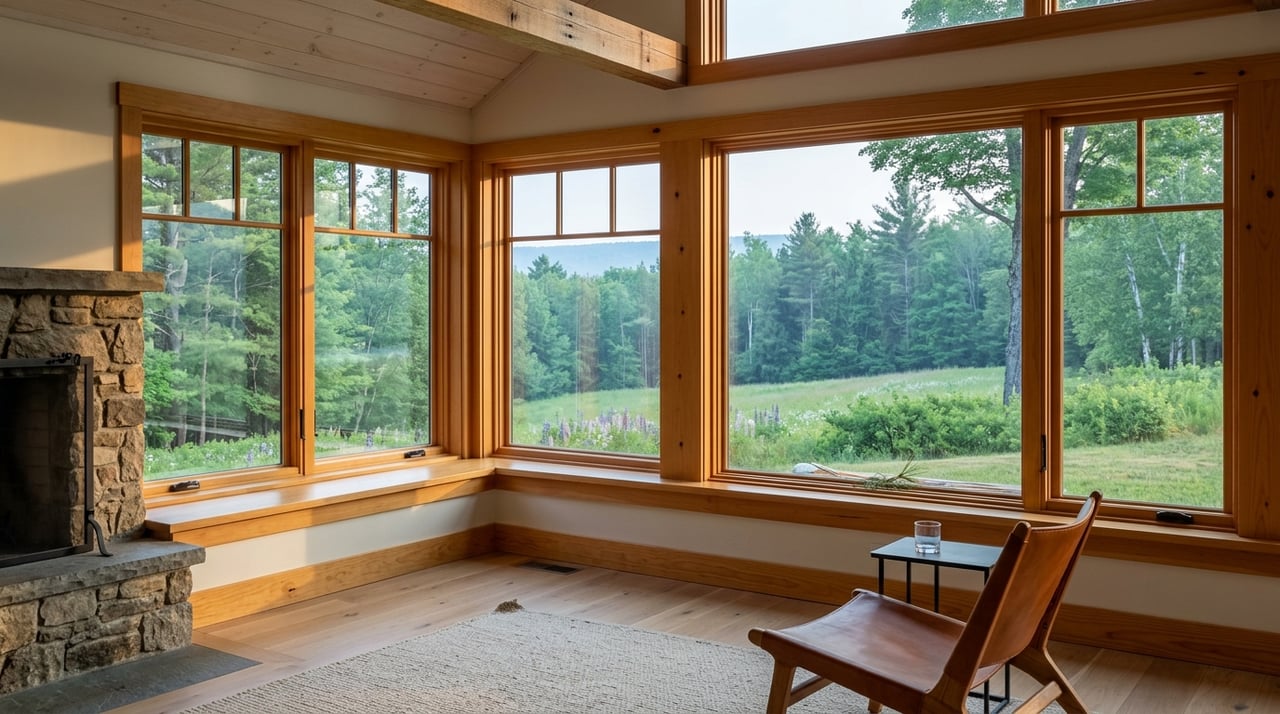
In Sugar Hill, the views are not just a bonus feature. They are often the starting point for how a property is chosen, positioned, and enjoyed. The town’s ridgeline setting creates a strong connection between the land and the living experience.
A 2025 town master plan search snippet identifies some of Sugar Hill’s highest-priority views from Lover’s Lane, Blake Road, Birches Road, and Sunset Hill Road toward the Presidential and Franconia Ranges. It also highlights views from Streeter Pond Road toward Franconia Ridge and the Gale River Valley.
The Ammonoosuc Conservation Trust also describes Sugar Hill vista land with outlooks over Franconia Notch, Cannon Mountain, Mount Lafayette, and the distant Presidential Range. That helps explain why so many buyers come here looking for more than a house. They are looking for a setting.
Because Franconia lies to the east of Sugar Hill, many of the signature outlooks are oriented eastward or southeastward across Franconia Notch toward major White Mountain peaks. Not every parcel faces the same way, of course, but orientation matters here more than it does in many other towns.
What Homesites Tend to Look Like
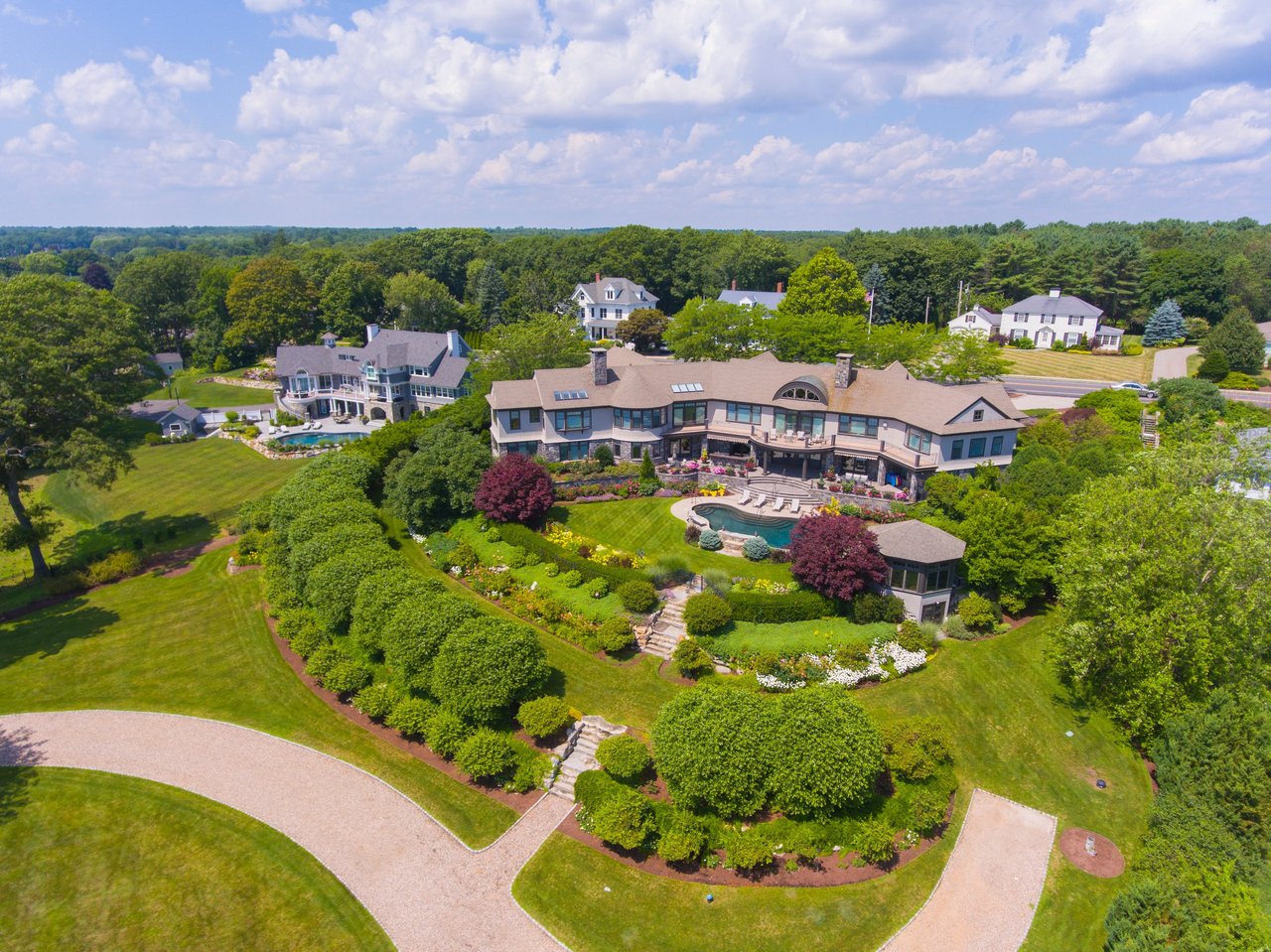
If you are used to subdivision living, Sugar Hill may feel refreshingly open. The zoning ordinance helps explain why. In the General Residential district, the minimum lot size is 2.0 acres with 200 feet of road frontage.
In Rural Residential One, the minimum lot size is 3.0 acres with 200 feet of frontage. In Rural Residential Two, the minimum lot size is 5.0 acres with 200 feet of frontage. Those standards support a town pattern built around space, separation, and homes that relate closely to the land.
Cluster development is also shaped by open-space rules. The ordinance states that cluster development must leave at least 50% of the total property as open space. That reinforces Sugar Hill’s spacious feel and helps preserve the rural pattern many buyers are hoping to find.
For you, that often means the land deserves as much attention as the house itself. In Sugar Hill, a smart purchase is often about slope, view corridor, orientation, road access, and how the homesite sits on the ridge.
A Town With Full-Time and Seasonal Owners
Sugar Hill is not only a primary-residence market. The town’s hazard mitigation plan estimates 384 housing units, with 282 occupied and 102 vacant. That mix suggests a meaningful second-home presence.
This matters if you are shopping for a retreat, vacation home, or part-time mountain base. You are not stepping into a market where seasonal ownership feels unusual. It is already part of the town’s housing pattern.
That can also shape what you see in available inventory. Some homes may be designed for year-round living, while others may work especially well as getaway properties with a stronger focus on views, privacy, and low-frequency use.
For buyers working from out of town, this is where local guidance becomes especially valuable. A property can look ideal in photos but feel very different once you consider road approach, winter exposure, and how the lot actually captures the mountain backdrop.
Short-Term Rental Potential
For buyers thinking about flexibility, Sugar Hill offers an important point of clarity. The town’s zoning ordinance lists short-term rental as a permitted use in its main residential districts.
That does not mean every property will perform the same way as a rental. View quality, road access, layout, seasonality, and proximity to White Mountains attractions can all affect appeal. Still, the zoning framework gives buyers useful direction if they want a home that may serve both personal use and rental use.
This is one area where a practical, local approach matters. If you are considering a second home with income potential, it helps to evaluate not just the house, but also the guest experience, the site, and how the property functions across different seasons.
Daily Life on the Ridge
Sugar Hill’s setting is part of its magic, but it also shapes everyday logistics. The town plan says NH Route 117 runs east-west through Sugar Hill, while NH Route 18 runs from Bethlehem through a small portion of town to Franconia and then south to Franconia Notch State Park.
Interstate 93 roughly parallels Route 18, but the town plan notes that it is not accessible within Sugar Hill itself. The nearest interstate access point listed is Exit 38, about 4 miles away. That means access is reasonable, but you should not expect in-town interstate convenience.
The same plan describes the rest of Sugar Hill’s road network as long, narrow, winding country roads. They are beautiful in spring, summer, and fall, but the plan notes they can be treacherous in winter.
That is not a drawback so much as a reality check. Mountain-view living often comes with tradeoffs, and in Sugar Hill those tradeoffs include weather exposure, winter driving, and the need to think carefully about access when choosing a home.
Close to Franconia Notch and Cannon
One of Sugar Hill’s biggest lifestyle advantages is how close it sits to the wider White Mountains recreation network. Cannon Mountain’s directions page places its main base area at Exit 34C and its tramway area at Exit 34B in Franconia Notch.
For you as a homeowner, that means skiing, scenic drives, hiking, and notch attractions can feel like part of ordinary life rather than a major expedition. You can enjoy the ridgeline calm of Sugar Hill while staying closely connected to the energy of Franconia Notch.
At the same time, the town plan notes that travel can become difficult when traffic is heavy on I-93 and Route 117. Residents often commute to nearby Littleton, Franconia, Bethlehem, and Lisbon, so access patterns matter for both recreation and routine errands.
This balance is central to Sugar Hill’s appeal. You get the feeling of being tucked away, but you are not isolated from the region’s larger outdoor and service hubs.
What Buyers Should Watch Closely
A beautiful view can capture your attention fast, but Sugar Hill rewards buyers who look deeper. In a ridge-top market, the best decisions usually come from balancing lifestyle goals with practical details.
Here are a few things worth studying closely when you tour property in Sugar Hill:
- View orientation: Ask how the lot is positioned toward the White Mountains and whether the primary living spaces match that orientation.
- Road approach: Pay attention to steepness, curves, and how the driveway or access road may feel in winter.
- Lot usability: Large acreage does not always mean equally usable land. Site shape, slope, and open areas matter.
- Seasonal use fit: Think about whether the home is better suited for full-time living, occasional use, or dual personal and rental use.
- Privacy versus convenience: Some homes feel wonderfully tucked away, but may also put you farther from regional routes and daily services.
In Sugar Hill, buying well means understanding the whole property experience, not only the interior finishes or the deck view.
Why Sugar Hill Appeals to So Many Buyers
Sugar Hill has a rare mix of scenery, breathing room, and regional access. It offers dramatic mountain outlooks, a traditional New England feel, and zoning that supports lower-density living with substantial lot sizes.
It also serves more than one kind of buyer. You may be looking for a year-round home with extra space, a second home with a strong sense of escape, or a property that can support short-term rental use while still functioning as your personal mountain base.
What ties those buyers together is a shared interest in place. Sugar Hill is not about being busiest or most built up. It is about waking up on the ridge, watching the weather move across the peaks, and choosing a home that makes the landscape part of everyday life.
If you are considering Sugar Hill, the right guidance can help you look beyond the obvious and focus on the details that truly shape long-term satisfaction. For thoughtful help buying or selling in the White Mountains, connect with Bailey Clermont.
FAQs
What is Sugar Hill, New Hampshire known for?
- Sugar Hill is known for its ridge-top setting, broad White Mountains views, the annual Lupine Festival, fall foliage scenery, and a traditional New England village feel.
What lot sizes are common in Sugar Hill, NH?
- Sugar Hill zoning is built around 2-acre, 3-acre, and 5-acre minimum lots in its main residential districts, each with 200 feet of road frontage.
Are there second homes in Sugar Hill, New Hampshire?
- Yes. The town’s hazard mitigation plan estimates 384 housing units, including 102 vacant units, which suggests a noticeable seasonal or second-home presence.
Are short-term rentals allowed in Sugar Hill, NH?
- Yes. The town zoning ordinance lists short-term rental as a permitted use in the town’s primary residential districts.
What are the best-known view areas in Sugar Hill?
- Town planning materials highlight notable views from Lover’s Lane, Blake Road, Birches Road, Sunset Hill Road, and Streeter Pond Road toward Franconia Ridge, the Presidential Range, and the Gale River Valley.
What is daily driving like in Sugar Hill, New Hampshire?
- Daily driving can be scenic but more demanding than in flatter towns, since many local roads are long, narrow, and winding, with winter conditions requiring extra caution.