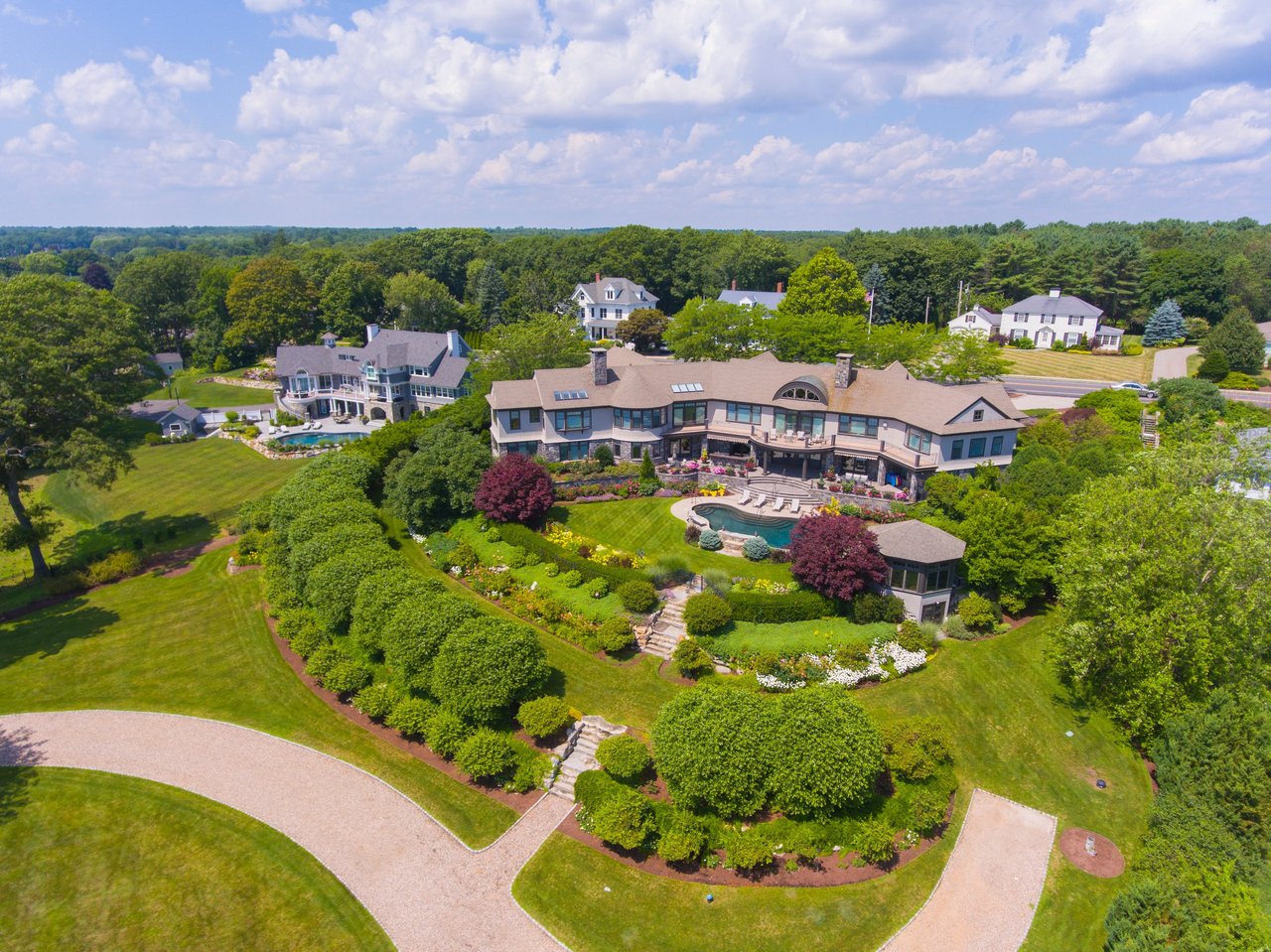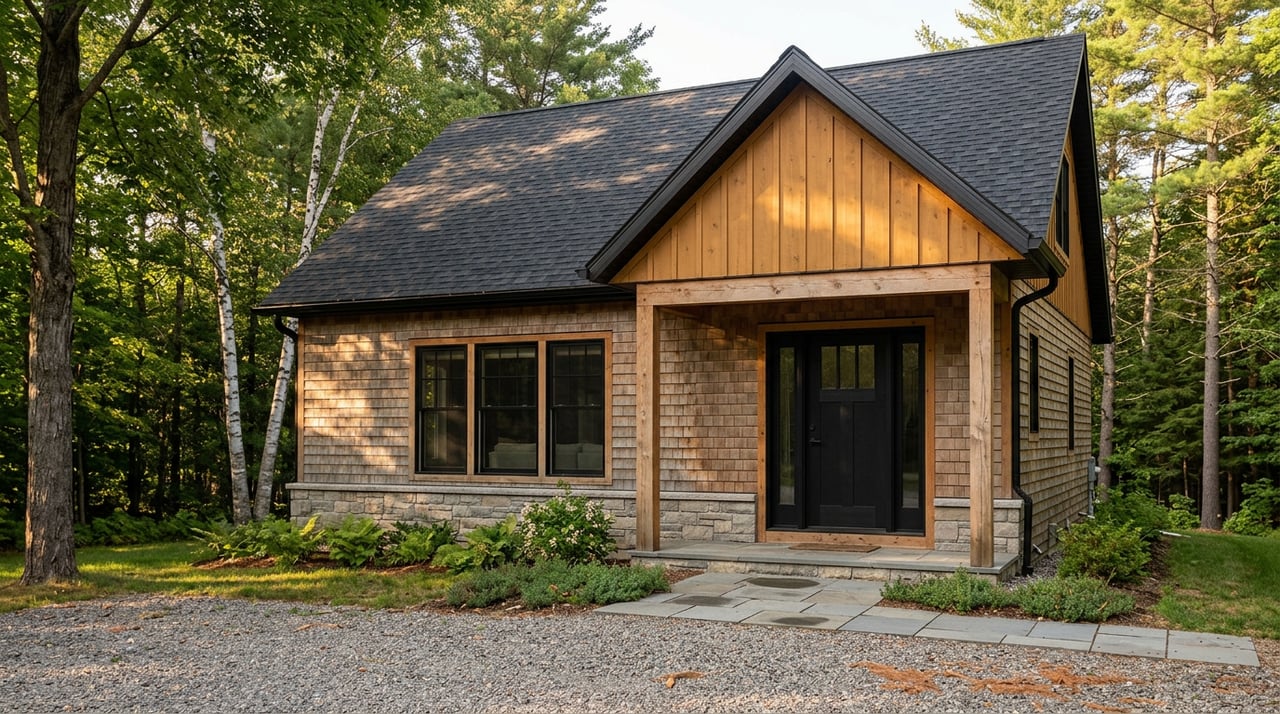
Picture this: a bluebird ski day at Cranmore, a cozy fire that night, and your North Conway place helping pay for itself when you are not here. If you are eyeing a short-term rental in the White Mountains, you are not alone. The opportunity is real, but so are the rules. In this guide, you will learn how short-term rentals work in New Hampshire, what Conway (home to North Conway) expects, how nearby towns compare, and the practical checks that protect your investment. Let’s dive in.
How short-term rentals work in NH
New Hampshire treats most stays shorter than about six months as taxable lodging. You need to register for the state Meals & Rooms (Rentals) tax, get an operator license, and collect and remit the tax. The commonly cited rate is 8.5 percent. Hosts often need to display the license number and file periodic returns. Always verify filing frequency and whether your platform collects on your behalf with the state guidance at the time you operate. You can review the state overview on the New Hampshire Vacation Rental Tax Alliance site under regulations and licensing. See the Meals & Rooms (Rentals) tax summary.
Each town controls land use. Zoning and local ordinances decide where short-term rentals are allowed, whether permits are required, and what safety or parking rules apply. Court decisions have also shaped local choices. In May 2023, the New Hampshire Supreme Court held that a town’s zoning language controls whether non-owner-occupied short-term rentals count as a permitted residential use. That case prompted several towns to clarify or adopt rules. You can read the decision here: Town of Conway v. Kudrick.
Finally, mountain properties have a few technical checks that matter more than you might expect. Septic capacity is tied to bedrooms under state design rules. The baseline design flow is 150 gallons per bedroom per day. If you plan to advertise higher occupancy, the septic system must support it or you may need an upgrade. Get familiar with the state’s ISDS standards here: NHDES Env-Wq rules.
What North Conway (Town of Conway) requires
Conway runs a rental certificate and life-safety program that applies to short-term rentals in town. The town provides application and self‑affidavit materials, a fee schedule, and clear life‑safety expectations. Owners typically submit attachments such as a copy of their NH Meals & Rooms license and septic documentation as part of registration. Start with the town’s documents page for forms and instructions: Conway municipal documents.
Conway offers two life‑safety compliance paths. You can schedule an inspection with the town or complete a sworn self‑affidavit that you meet the checklist items. Those items include working smoke and CO detectors, proper egress from sleeping rooms, and accessible fire extinguishers. Review the current self‑affidavit to understand exactly what inspectors and staff look for: Conway one- and two-family self‑affidavit.
Expect enforcement to focus on safety first and to be largely complaint‑driven. Local reporting has covered the town’s effort to license and inspect without turning it into a “war on short‑term rentals.” That context helps set expectations about tone and priorities. See the coverage in the Laconia Daily Sun: Conway town manager on inspections and STRs.
Bottom line for buyers in North Conway: plan on registering, documenting life‑safety compliance, providing your state Meals & Rooms license, and verifying septic and parking capacity. Build time and budget for any required fixes before you host your first guest.
Nearby town snapshots
Short-term rental rules vary across the White Mountains. Here is how a few nearby towns approach them so you can compare.
Jackson
Jackson uses a Conditional Use Permit for all short-term rentals. The application requires an owner affidavit that confirms smoke and CO detectors, egress, and a visible fire extinguisher. You must show proof of your state Meals & Rooms license, provide on-site parking, and follow an occupancy formula of two people per bedroom plus two. In the Rural Residential District, there is a 30-rental-per-year limit unless a full-time resident lives on site. Jackson also spells out progressive penalties and potential permit revocation for repeat issues. Start with the town’s STR page: Jackson STR information and forms. To see specific rules, review Section 4.4 of the zoning ordinance: Jackson STR ordinance, Section 4.4.
Lincoln (Loon Mountain area)
Lincoln runs a registration program with an annual fee per tax parcel. The form asks for an emergency contact, acknowledgement of local ordinances, and gives the town the ability to request or schedule a life‑safety inspection. If you are comparing ski markets or hold a broader portfolio, this is a good reference model. See the current application: Town of Lincoln STR application.
Safety, septic, and occupancy: what to check first
Life‑safety and wastewater capacity are the two areas that most often slow down an STR setup. You will want to button these up during due diligence.
- Smoke and CO detectors. Make sure devices are present and working on each level and near sleeping areas. Keep spare batteries and a testing schedule.
- Egress from sleeping rooms. Bedrooms need compliant windows or doors that a guest can use to exit in an emergency. If you finish a basement room, confirm it counts as a legal bedroom.
- Fire extinguisher. Keep at least one visible, charged unit with clear labeling for guests.
- Septic system approval. Request the ISDS construction approval and the original septic design. In New Hampshire, the common residential design flow is 150 gallons per bedroom per day. Your advertised bedroom count and occupancy should not exceed what the system is designed to handle.
- Parking and trash. Confirm off‑street parking capacity and a plan for garbage. In resort towns, many complaints start with cars and trash.
Align your online listing with the most restrictive bedroom or occupancy number that appears on the tax card, building permits, or septic approval. Several towns require you to advertise the lower number if there is a mismatch.
The Conway v. Kudrick case and why it matters
In 2023, the state Supreme Court confirmed that a town’s zoning language drives whether non‑owner‑occupied short-term rentals fit within residential use definitions. If a town’s code does not prohibit them, they may be treated as permitted under existing residential categories. That ruling pushed some communities to adopt or clarify local STR procedures instead of relying on silence. If you are buying, it is a reminder to read the actual zoning text for your property’s district and to get the town’s position in writing. You can read the decision here: Town of Conway v. Kudrick.
Due-diligence checklist for buyers
Work this list before you finalize your offer or during your inspection period. It will save you time and protect your returns.
Confirm zoning and permits with the town. Ask Conway’s planning or code office what district the property sits in, whether an STR is allowed, and which forms and fees apply. Start with Conway’s documents page for current materials.
Collect existing STR paperwork. Request copies of any town rental certificate, inspection record, or self‑affidavit, plus the seller’s NH Meals & Rooms license number and recent filings.
Register for the Meals & Rooms tax. If you will operate after closing, you need a state operator license and a plan to collect and remit the tax. Review the state overview here: Meals & Rooms (Rentals) tax guidance.
Verify septic capacity. Ask for the ISDS approval, septic design, and pump/inspection records. If you want to raise occupancy, confirm the design supports it under NHDES Env‑Wq standards.
Review life‑safety history. Gather building permits, service records for fireplaces or stoves, and any prior rental inspection results. Compare to Conway’s self‑affidavit checklist so you know what will be checked.
Check HOA or condo rules. Ask for full CC&Rs, bylaws, and any amendments or minutes that address rentals. Get the HOA’s position in writing if you can.
Confirm insurance and lending. Many homeowner policies exclude routine STR activity. Talk to your insurer and lender early about proper coverage and any underwriting limits.
Line up a local contact. Towns often require a 24/7 contact who can respond quickly to complaints. If you are not local, a property manager can fill this role.
Parking, trash, and snow. Count off‑street spaces and set a trash plan that fits town rules. In winter, budget for snow management so emergency access stays clear.
Advertising and occupancy alignment. Make sure the number of bedrooms and guests in your listings match the town, tax card, and septic records.
Rental operations history. Request the last 12 to 24 months of booking calendars, gross revenue, platform payouts, and any complaint or enforcement letters so you can judge both demand and risk.
Title and covenants. Ask your attorney or title company to check for any recorded restrictions that limit STRs, even if the town allows them.
Costs and timing to plan for
Every property is different, but most buyers should plan for the following:
- Life‑safety upgrades. Budget for smoke and CO detectors, extinguishers, exit signage where needed, and egress window work if a room does not qualify as a bedroom.
- Septic evaluation or upgrades. If your target occupancy is higher than the existing design, price out an engineering review or upgrade.
- Municipal fees. Expect application and inspection fees. Check Conway’s current forms for details on timing and renewals at Conway municipal documents.
- Insurance. Price a policy that covers short-term rental activity, not just occasional house-sharing.
- Property management and cleaning. Build a plan for turnovers, snow removal, and guest support that matches peak ski and foliage seasons.
Common pitfalls to avoid
- Assuming a platform collects all taxes for you. Some platforms collect state tax in some cases, but you are still responsible for registering and filing properly.
- Advertising more bedrooms than your septic or permits allow. Towns tie occupancy to the most restrictive approval.
- Skipping the local contact. Response times matter in complaint-driven enforcement.
- Parking overflow. Street parking can trigger neighbor complaints and fines. Set clear guest rules and provide a map.
- Ignoring inspection timing. If the town requires an inspection or affidavit before you host, plan your first bookings accordingly.
How Bailey Clermont helps you succeed
You want a place that fits your lifestyle and meets the rules. We help you find it and operate it smoothly. Our team brings lived White Mountains experience, a clear read on town-by-town regulations, and full-service support that includes property management and short-term rental marketing. We will help you:
- Screen properties for zoning, septic capacity, and safety fit before you offer.
- Gather the right documents and coordinate with town staff so you start compliant.
- Set up pricing, policies, and digital presentation to capture peak ski and summer demand.
- Connect you with local pros for cleaning, snow removal, and maintenance.
Ready to explore North Conway and the wider White Mountains with a trusted local partner? Reach out to Bailey Clermont to talk through goals, numbers, and next steps.
FAQs
What permits do you need to run a short-term rental in North Conway?
- Conway uses a rental certificate and life-safety program, which may include an inspection or self‑affidavit plus proof of your NH Meals & Rooms license and septic documentation.
How does New Hampshire’s Meals & Rooms tax work for STR owners?
- You register for an operator license, collect the 8.5 percent tax on eligible stays, and file returns; check current details with the state guidance and your platform.
What septic capacity supports a 3-bedroom STR in NH?
- Under common NHDES design flows, a three-bedroom system is typically sized at about 450 gallons per day, which should cap your advertised occupancy.
How does Jackson, NH regulate short-term rentals?
- Jackson requires a Conditional Use Permit with an affidavit, proof of the state tax license, parking, an occupancy formula of two per bedroom plus two, and has progressive penalties.
What documents should I request from a seller before buying an STR?
- Ask for town STR permits or certificates, inspection reports or self‑affidavits, the NH Meals & Rooms license and filings, septic approvals, booking and revenue history, and any complaint letters.