If you are drawn to small-town mountain living, Franconia offers a different pace from larger resort areas in the White Mountains. Life here is shaped by scenic roads, four-season recreation, and a compact village center where civic spaces and outdoor access play a big role in daily routines. If you are thinking about buying a home, second home, or investment property in Franconia, this guide will help you understand what living here looks like through the seasons. Let’s dive in.
Franconia at a Glance
Franconia is a small town in the White Mountains with about 1,074 residents, based on an ACS 2018 to 2022 estimate reported by the New Hampshire Employment Security labor market profile. That smaller scale is part of the appeal if you want a quieter home base with strong access to the outdoors.
The town’s master plan describes a village-centered layout, with most commercial activity concentrated in the village and limited commercial acreage overall. In practical terms, that means Franconia feels more compact, scenic, and recreation-oriented than suburban.
Roads shape day-to-day life here. Route 18 becomes Main Street through the village, Route 116 connects residential areas and trail access, and Route 142 serves another residential corridor. The same town planning document notes that I-93 and Route 3 through the notch see busy traffic during winter, summer, and fall foliage seasons, so seasonal visitor flow is part of the local rhythm.
What Daily Life Feels Like
Living in Franconia often means balancing peaceful surroundings with practical rural realities. You have a small civic core, visible town services, and quick access to major recreation areas, but you may also travel to nearby communities for a wider range of shopping, dining, and healthcare.
For broader services, nearby Littleton offers shopping, specialty stores, artisan markets, and regional healthcare. That nearby access matters because Franconia itself stays intentionally small in scale.
The town’s public services are also straightforward and centralized. According to the 2024 town report, residents rely on a compact set of local resources, including the Selectmen’s Office, Town Clerk and Tax Collector, Water Department, Planning Board, Tri-Town Transfer Station, public safety contacts, and the Abbie Greenleaf Library.
Seasonal Living in Franconia
Winter in Franconia
Winter is one of the clearest reasons many people choose Franconia. Cannon Mountain is a major seasonal anchor, with a 2025 to 2026 ski season listed from November 22, 2025 through April 12, 2026. For many owners, that kind of direct access to ski season is a major part of the lifestyle value.
But winter here is not just about downhill skiing. The Franconia Notch Recreation Trail is about 9 miles long, paved, and multi-use, and in winter it becomes a route for snowmobiling, cross-country skiing, and snowshoeing. That gives residents another reliable way to get outside without needing a full alpine ski plan every weekend.
The town also has smaller-scale recreation woven into daily life. The master plan notes a rink next to Town Hall and the library, which helps keep winter activity visible and local even in a very small town.
Spring and Summer in Franconia
Spring and summer shift the focus from snow sports to hiking, biking, water access, and open-space recreation. The town’s master plan highlights Fox Hill Park for mountain biking, hiking, river swimming, wildlife viewing, snowshoeing, geocaching, and cross-country skiing depending on season.
The same source points to other well-known recreation assets in and around town, including Echo Lake, Profile Lake, the Franconia Notch Recreation Trail, the Appalachian Trail, Artist’s Bluff, Bald Mountain, the Flume Gorge, and rock-climbing areas on Cannon’s back side. If you want a home base where outdoor options stay active for much of the year, Franconia has depth.
Summer also brings a cultural layer that many smaller mountain towns do not always have in such a visible way. The Franconia ArtWalk, described in the master plan, is a free self-directed event that runs annually from July through Columbus Day weekend. For residents, it adds an easy recurring tradition during the warmer months.
Fall in Franconia
Fall is beautiful, but it is also busy. The town’s planning documents note that local roads see increased traffic during foliage season, especially in major travel corridors. If you live here year-round, that seasonal tourism pattern becomes part of the calendar.
That said, fall also brings one of the most visually rewarding times to enjoy the area. The ArtWalk continues into Columbus Day weekend, and the shoulder season often blends outdoor recreation, community events, and scenic drives into a very active stretch of the year.
Recreation and Community Spaces
Franconia stands out for how visible its community recreation assets are relative to its size. The master plan says the town owns 99 acres that include Fox Hill Park and the rink by Town Hall and the library. Those spaces give residents practical, repeat-use amenities rather than just one-time tourist attractions.
Lafayette Recreation also helps shape community life across Franconia, Easton, and Sugar Hill. According to the Franconia Notch Regional Chamber of Commerce directory, the organization uses Dow Park and Field as a four-season hub, which reinforces how much local life centers around a small number of shared gathering spaces.
For a town this size, the library also matters more than you might expect. Abbie Greenleaf Library sits right on Main Street at 439 Main Street, with hours across several weekdays and Saturday, making it one of the more visible civic anchors in the village center.
Schools and Local Services
If you are planning a year-round move, school structure is an important practical detail. Franconia is served by regional schools rather than town-only schools. Lafayette Regional School serves about 100 students in grades K through 6 from Easton, Franconia, and Sugar Hill, while Profile School serves about 227 students in grades 7 through 12 from Bethlehem, Easton, Franconia, and Sugar Hill through SAU #35.
On the infrastructure side, the town master plan notes that Franconia has limited municipal water and no municipal sewer. That is a meaningful point for buyers because rural systems, site conditions, and permitting can affect both day-to-day ownership and future property plans.
The town also publishes forms for building, driveways, solar, generators, demolition, signs, and short-term rentals through its forms and applications page. If you are buying land, planning improvements, or exploring rental use, it helps to understand those requirements early.
Housing in Franconia
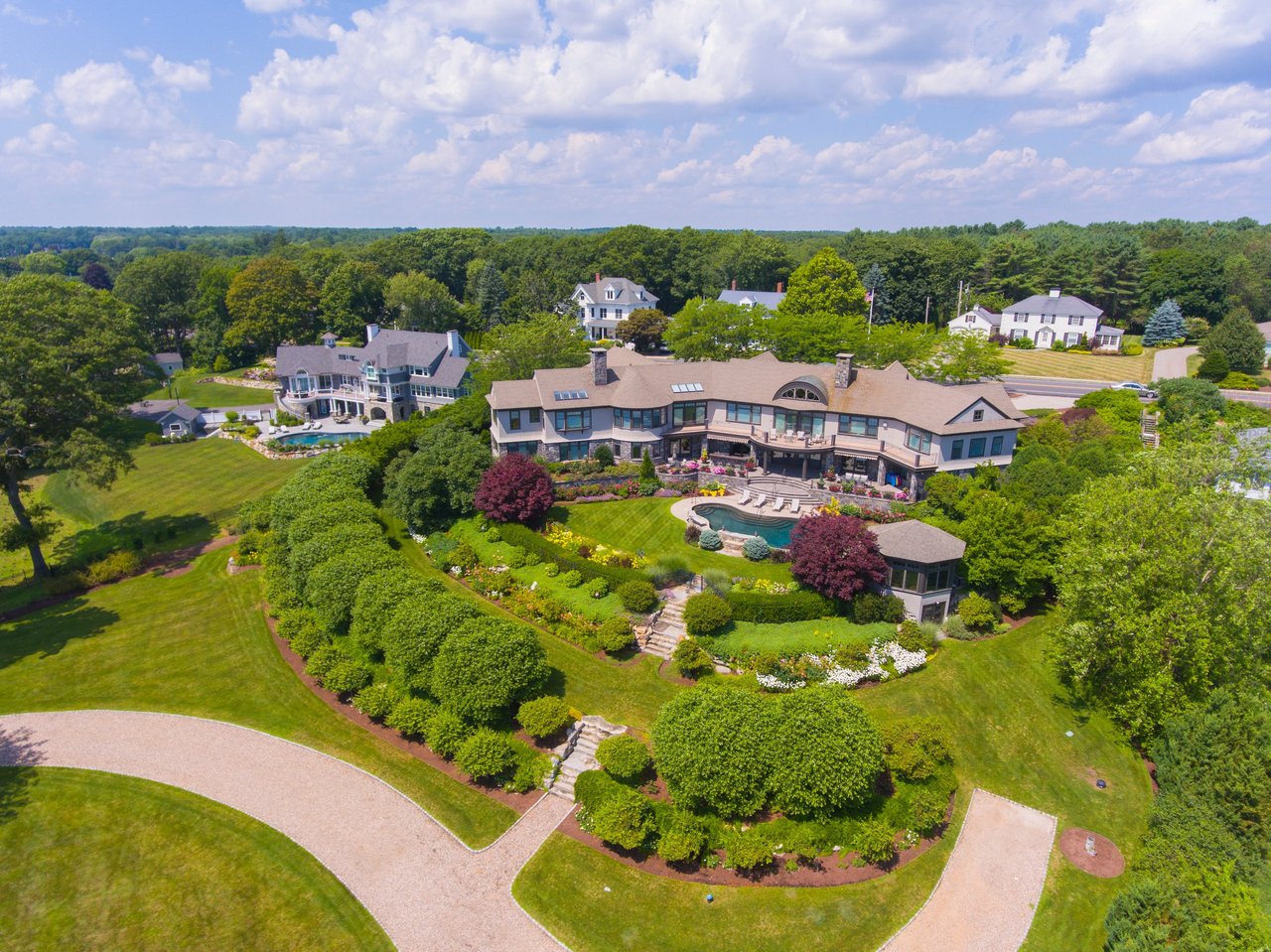
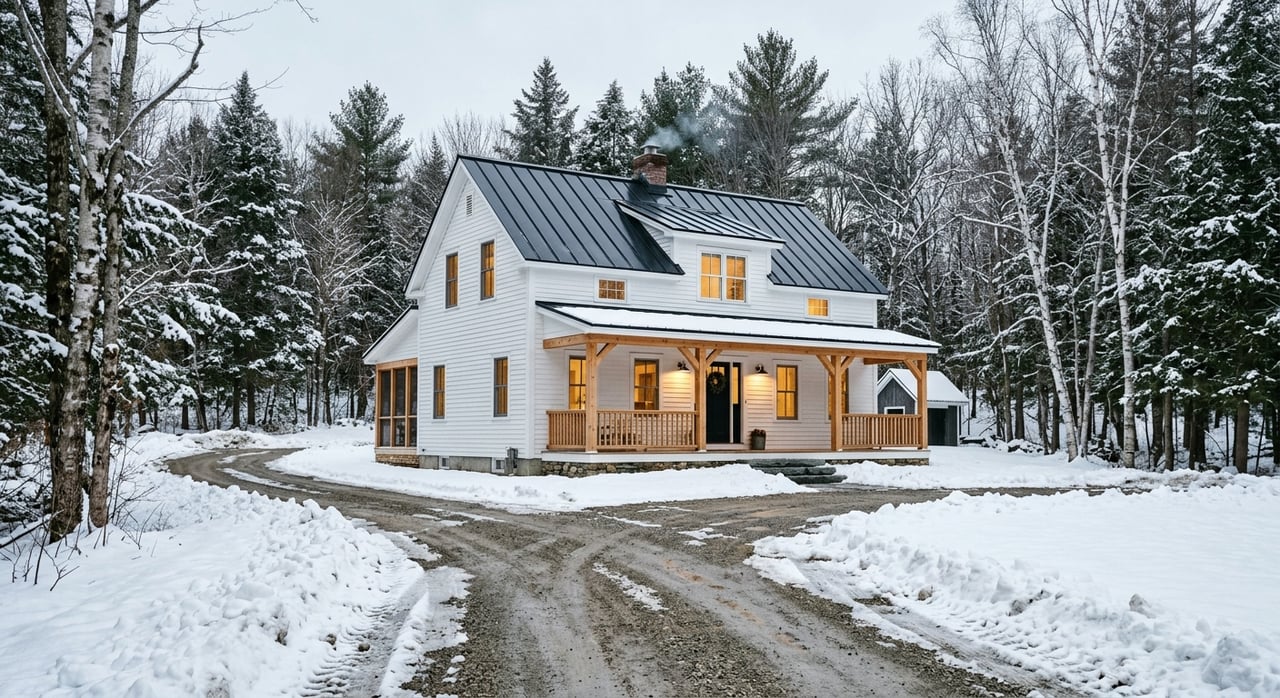
Franconia’s housing stock reflects its mountain-town setting. The master plan describes a mix that includes a small number of multi-family and rental properties, along with larger seasonal homes and a broader base of single-family houses on larger parcels. That gives buyers a range of options, but not always a large supply.
The same planning document notes that more recent residential construction has clustered along Route 116/Easton Road, the southern end of Route 18, Scrag Hill, Franconia Mountains Road, and Butterhill Road. Meanwhile, the village remains the center of the town’s small commercial core.
From a lifestyle point of view, you can think about Franconia as having a few broad living patterns:
- Village-area homes near Main Street and civic buildings
- Road-front properties along the main residential corridors
- More private homesites on higher ground with a more tucked-away setting
That framework is based on the town’s land-use and road pattern in the master plan, not a formal neighborhood map, but it is a useful way to picture how the town lives.
Home Prices and Inventory
Inventory in Franconia is limited, which can shape both timing and competition. Zillow’s Franconia market page showed 5 homes for sale as of March 31, 2026, along with an average home value of $643,699. The active listings cited in the research ranged from a $225,000 3.06-acre lot to a $1.2 million four-bedroom, four-bath home, with other listings at $359,000, $475,000, $599,000, and $619,000.
Compared with nearby value figures in the same research source, Franconia appears to sit in the upper-middle to upper tier of the immediate White Mountains corridor, especially for scenic or view-oriented properties. For buyers, that means the town may offer a premium tied to setting, privacy, and access to recreation.
For sellers, limited inventory can also be important. In a small market, pricing, presentation, and timing matter because buyers are often comparing a short list of available options.
Things Buyers Should Know
If you are thinking about living in Franconia full-time or part-time, a few practical points stand out.
First, this is a small rural mountain town, so systems and permitting matter. Limited municipal water, no municipal sewer, and town-level permits for improvements mean due diligence is especially important when buying a home, land parcel, or older property.
Second, seasonality affects daily life. Winter recreation, summer outdoor use, and fall foliage traffic all shape access patterns and activity levels. That can be a positive if you want four distinct seasons, but it is still something to factor into your home search.
Third, your ideal location inside town depends on how you plan to use the property. Some buyers want a village setting with easier access to civic spaces, while others prefer privacy, views, or road access that supports weekend recreation and seasonal stays.
Things Investors and Second-Home Buyers Should Know
Franconia can appeal to second-home buyers and investors because of its four-season draw and limited housing supply. The area’s recreation base supports year-round interest, from ski season at Cannon Mountain to warm-weather hiking, biking, and sightseeing.
If short-term rental use is part of your plan, the town’s Short-Term Rental Application is publicly available through the forms page. That is a useful reminder that rental activity is part of the local permitting process and should be reviewed carefully before you buy.
This is also where local guidance can make a big difference. In a market like Franconia, buyers often need help weighing location, property setup, seasonal access, and ownership logistics, especially if they are purchasing from out of town.
Is Franconia Right for You?
Franconia may be a strong fit if you want a quieter White Mountains base with four-season recreation, a small village feel, and housing that ranges from village-adjacent homes to more private mountain properties. It can also work well if you are comfortable with the realities of rural ownership and understand that shopping and services may extend into nearby towns.
If your goal is to find a year-round home, vacation property, land parcel, or an investment with short-term rental potential, local context matters as much as the listing itself. When you are ready to explore Franconia and the broader White Mountains market, Bailey Clermont can help you evaluate lifestyle fit, property conditions, and seasonal ownership considerations with clear, local guidance.
FAQs
What is it like living year-round in Franconia, NH?
- Living year-round in Franconia means a small-town White Mountains lifestyle centered on outdoor recreation, a village core, and seasonal tourism patterns, with broader shopping and services often found in nearby Littleton.
What winter activities are available in Franconia, NH?
- Winter activities in Franconia include skiing at Cannon Mountain, plus cross-country skiing, snowshoeing, snowmobiling, and skating at the town rink near Town Hall and the library.
What schools serve families living in Franconia, NH?
- Families living in Franconia are generally served by Lafayette Regional School for grades K through 6 and Profile School for grades 7 through 12 through SAU #35.
What types of homes are common in Franconia, NH?
- Common housing types in Franconia include single-family homes on larger parcels, some rental and multi-family properties, and larger seasonal homes, with options spread between the village area, main road corridors, and more private settings.
Can you use a home as a short-term rental in Franconia, NH?
- Short-term rental use is part of the local permitting process in Franconia, and the town publishes a short-term rental application, so buyers should review current requirements before purchasing.
How expensive is the Franconia, NH housing market?
- Based on the research provided, Franconia had limited inventory and an average home value of $643,699 as of March 31, 2026, with active listings ranging from land at $225,000 to a home at $1.2 million.