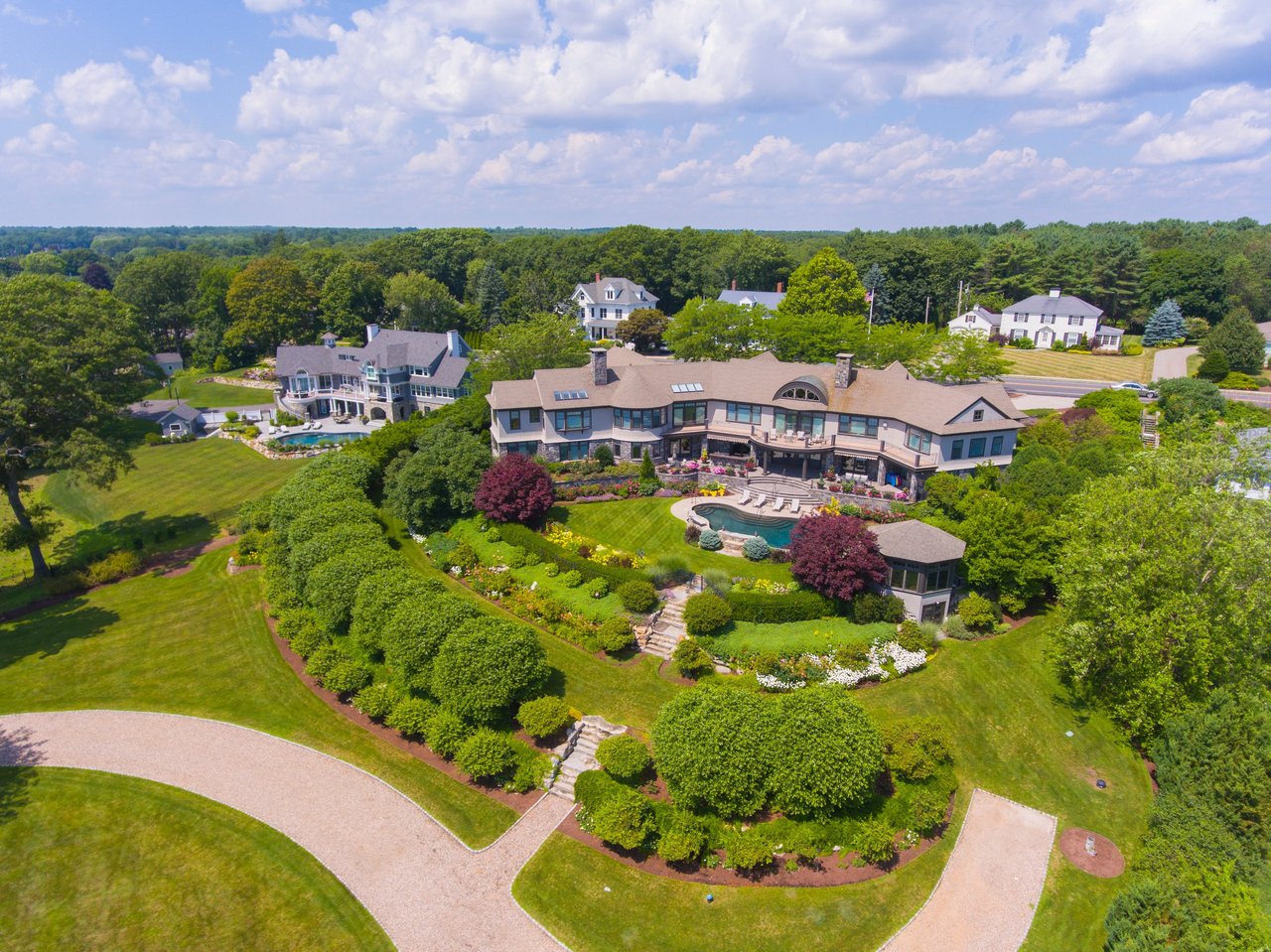
Buying a Lake Winnipesaukee home from another state can feel exciting and a little intimidating at the same time. You may be picturing summer mornings on the water or a four-season getaway, while also wondering how to handle tours, inspections, closing paperwork, and local rules from miles away. The good news is that you can complete much of a New Hampshire purchase remotely if you build the right local plan from the start. Let’s dive in.
Build Your Local Buying Team Early
When you are buying from out of state, your first priority is putting the right people in place on the ground. For a Lake Winnipesaukee purchase, that usually means a buyer’s agent, lender, closing attorney or title company, and, if you plan to rent the home, a property manager who understands local requirements.
That team matters because lake properties often involve more moving parts than a typical home purchase. You are not just evaluating the house itself. You are also looking at shoreline structures, septic compliance, water systems, seasonal maintenance, and possible rental restrictions.
For many out-of-state buyers, this is where local guidance makes the biggest difference. A knowledgeable local agent can help you narrow in on the right fit, coordinate inspections, flag questions early, and keep your timeline moving even when you are not in New Hampshire every week.
Use Remote Buying Tools Wisely
New Hampshire allows remote notarization for a remotely located individual when the legal requirements are met. The notary must use communication technology, complete identity checks, create an audio-visual recording, and retain that recording for at least 10 years.
That can make the closing process much easier if you are buying from another state. Still, the practical issue is not just whether remote signing exists. You also need to confirm early that your lender, title company, and any co-borrower documents will all accept the same signing format.
This is one of those details that is easy to overlook until the last minute. If you know upfront how documents will be signed and notarized, you can avoid unnecessary stress right before closing.
Focus on Lake-Specific Due Diligence
A Lake Winnipesaukee home deserves a more detailed inspection strategy than a standard property. Your offer should include contingencies that give you time to evaluate not just the structure, but also the systems and shoreline features that come with waterfront or near-water ownership.
At a minimum, you should look closely at:
- The septic system
- Any private well
- Docks, boathouses, or other shoreline improvements
- Possible rental-use restrictions
- The property’s exact shoreland status
These items can affect your use of the property, your future costs, and your ability to make changes later. For many buyers, this is where a dream property either proves itself or raises important red flags.
Septic Rules Matter More Near the Water
For developed waterfront property that uses a septic system, New Hampshire has a special transfer rule. If any portion of the septic system is within 250 feet of the reference line, the buyer must hire a New Hampshire licensed septic system evaluator before the transfer.
If the system is not approved by the department, or if the approval predates September 1, 1989, the buyer must also hire a New Hampshire permitted septic system designer to evaluate the system. A failed evaluation does not automatically stop the sale, but it does trigger disclosure and repair obligations.
This is a major reason why septic due diligence should never be treated as a box to check at the end. On Lake Winnipesaukee, it should be part of your strategy from day one.
Test Private Wells During Inspections
If the property uses a private well, the New Hampshire Department of Environmental Services recommends testing the water during the inspection period. It also notes that some lenders or municipalities may require testing at sale or before occupancy.
For an out-of-state buyer, well testing gives you a clearer picture of the home before you commit. It is a practical step that can help you plan for treatment, maintenance, or future improvements if needed.
Verify Docks and Boathouses
If a property has a dock, boathouse, pier, or similar shoreline feature, do not assume it is fully compliant just because it is already there. You should verify whether prior permits exist and whether the structure matches current rules before moving forward.
This matters because shoreline structures are regulated under state law. NHDES guidance also notes that seasonal docks are generally preferred because they tend to have the least environmental impact, and some new seasonal docks may be exempt from permitting if they meet specific removal and size criteria.
As of July 1, 2025, boathouses over public waters also may not exceed 18 feet in height, may not have a second floor, and must keep storage limited to items reasonably related to boat use. If a boathouse is part of your buying decision, this is worth reviewing carefully.
Understand Shoreland Rules Before You Buy
Around Lake Winnipesaukee, shoreland rules can shape what you can do with a property after closing. In New Hampshire, protected shoreland generally includes land within 250 feet of the reference line of public waters, including lakes and ponds larger than 10 acres.
Within that area, primary structures must be set back 50 feet from the water. The first 50 feet is the waterfront buffer, and the area from 50 to 150 feet is the woodland buffer. Impervious surfaces are generally capped at 30 percent unless an engineer-designed stormwater system is used.
These rules can affect future plans for additions, patios, parking areas, and other improvements. They can also limit vegetation removal near the water and restrict fertilizer use within 25 feet of the water.
It is also important to remember that municipalities may impose stricter local rules than the state minimums. If you are buying from out of state, you do not want to assume that what works on one lake property will work on another.
Older Cottages Need Extra Review
Many Lake Winnipesaukee buyers are drawn to older waterfront cottages because of their charm, setting, and proximity to the water. In some cases, these nonconforming homes can be repaired, replaced, or altered.
But there are limits. Expansions within the waterfront buffer are constrained, and changes cannot move the structure closer to the water. If a planned change increases septic load, additional subsurface approval is required.
That does not mean older properties are a bad fit. It means you should match the home to your goals before you close, especially if you hope to renovate or expand later.
Plan for Closing Costs and Transfer Tax
Out-of-state buyers should build New Hampshire closing costs into their budget early. One item to know is the New Hampshire real estate transfer tax, which is currently 75 cents per $100 of consideration, computed to the nearest whole dollar.
The deed cannot be recorded until tax-paid indicia are attached. That makes this a required part of the closing process, not a loose estimate to sort out later.
Your lender, closing attorney, or title company can help you understand the final numbers in your specific transaction. The key is to budget for them in advance so there are no surprises.
Think Beyond Closing Day
Buying the home is only part of the decision. If your Lake Winnipesaukee property will be a second home, a seasonal getaway, or an investment, you should think through how you will care for it when you are not there.
For homes that may sit vacant during colder months, winterization should be treated as a core ownership task. Common local guidance in New Hampshire includes keeping indoor temperatures consistent, insulating pipes, opening cabinet doors around pipe chases, knowing where the water shutoff is, and monitoring for heating failures or leaks.
UNH Extension also advises checking the chimney and informing your insurance carrier before using a wood stove. These are practical details, but they can have a big impact on protecting your property.
Know the Rules for Short-Term Rentals
If you hope to use your Lake Winnipesaukee home as a short-term rental, do your homework before you buy. In Laconia, short-term lodging requires a permit from the Planning Department.
The ordinance defines short-term lodging as stays of 1 to 14 consecutive nights. It is allowed in some zones but not others, and owner-occupancy is required in many districts unless a special exception applies.
Laconia also has a seasonal-dwelling rule in certain residential zones that allows short-term rentals only from May 1 through October 31, with a cap of 15 separate rentals or 120 nights, whichever comes first. The property must also pass a joint Fire Department and Building Code Enforcement inspection as part of the approval process.
Laconia’s zoning fee schedule lists the administrative review short-term lodging permit at $250, with renewal every two years. If income potential is part of your buying decision, these local rules should be reviewed before you make an offer, not after.
At the state level, New Hampshire’s Meals and Rooms tax is 8.5 percent of rent. Operators must register with the Department of Revenue Administration, file returns monthly by the 15th, and short-term rental advertisements must include the operator’s Meals and Rooms license number.
Because the state’s definition of operator includes room facilitators, buyers using a booking platform or third-party manager should confirm who is responsible for collecting and remitting the tax. That is especially important if you are trying to run the property from out of state.
A Smart Remote Buying Strategy
If you are buying a Lake Winnipesaukee home from outside New Hampshire, the biggest wins usually come from careful planning before you go under contract and disciplined due diligence once you do. Remote buying can absolutely work here, but lake homes reward buyers who ask the right questions early.
In practical terms, that means understanding the shoreline status, checking septic and well issues, verifying docks or boathouses, confirming your closing logistics, and getting honest about whether the home is for personal use only or also for rental income. When those pieces line up, you can buy with much more confidence.
If you want a local guide who understands both the lifestyle side and the practical side of lake ownership, Bailey Clermont can help you navigate the process with clear communication, virtual tools, and on-the-ground insight.
FAQs
Can you buy a Lake Winnipesaukee home remotely from another state?
- Yes. Much of a New Hampshire purchase can be completed remotely, including remote notarization when legal requirements are met, but you still need a strong local team to manage inspections, closing coordination, and property-specific due diligence.
What inspections matter most for a Lake Winnipesaukee waterfront home?
- In addition to the home inspection, you should review the septic system, private well if there is one, shoreline structures like docks or boathouses, rental-use restrictions, and the property’s shoreland status.
What is the septic rule for transferring developed waterfront property in New Hampshire?
- If any portion of the septic system is within 250 feet of the reference line, the buyer must hire a New Hampshire licensed septic system evaluator, and in some cases a New Hampshire permitted septic system designer must also evaluate the system.
What shoreland restrictions affect Lake Winnipesaukee properties?
- Protected shoreland generally extends 250 feet from the water, with rules on setbacks, vegetation removal, fertilizer use, and impervious coverage that can affect future renovations and site changes.
What should out-of-state buyers know about short-term rentals in Laconia?
- Laconia requires a short-term lodging permit, allows this use only in certain zones, requires owner-occupancy in many districts unless a special exception applies, and has seasonal limits for some properties.
What tax should you budget for when buying a home in New Hampshire?
- Buyers should plan for New Hampshire’s real estate transfer tax, which is currently 75 cents per $100 of consideration, along with other closing costs handled through the transaction.