Wondering whether Franconia is a smart place to buy an investment property or short-term rental? If you are looking at the White Mountains for a vacation home that can also generate income, Franconia deserves a close look. This guide will help you understand how the market works, what drives demand, and which costs and rules matter most before you buy. Let’s dive in.
Why Franconia Stands Out
Franconia does not behave like a typical year-round rental market. According to the town’s 2024 master plan, nearly half of the housing stock is non-primary and vacation or recreational in nature. That gives you an early clue that this is a second-home market first, with investment opportunities shaped by seasonal demand.
The same plan reports that about 87% of vacant units are seasonal, weekend, or occasional-use homes. For you as a buyer, that means Franconia already has a built-in vacation-home culture. It also means your competition may include other second-home buyers, not just traditional investors.
Franconia’s housing mix also matters. The town’s owner-occupied housing is mostly single-family homes, and in 2023 the town identified 76 full-home short-term rentals, with many of them being 3 to 4 bedroom properties. The master plan notes that this count is directional rather than exact because some outside properties may be included through a shared ZIP code.
Franconia Short-Term Rental Demand
Winter Is the Main Anchor
If you are evaluating short-term rental potential, winter is one of the biggest pieces of the story. Cannon Mountain is New Hampshire’s only state-owned ski area, with 11 lifts, 285 skiable acres, 25 miles of trails, 192 acres of snowmaking, and a typical season that runs from late November through early or mid-April.
That kind of winter draw supports the idea of Franconia as a ski-season market. Buyers looking for a dual-use vacation home often see value in owning a property they can enjoy personally during ski weeks while also opening it to guests during peak periods.
Fall Brings Strong Foliage Traffic
Fall is another major demand window. In 2025, New Hampshire State Parks announced added staffing, traffic control, one-way hiker flow, signage, and on-site amenities at Artists Bluff to manage growing foliage visitation.
For you, that is a practical sign of real tourism pressure during leaf season. A market that needs traffic control during peak weekends is a market where seasonal lodging demand can be meaningful.
Summer Still Matters
Summer in Franconia is supported by hiking, biking, camping, scenic drives, and the broader recreation network around Franconia Notch State Park. The park includes destinations such as Echo Lake, Profile Lake, the Flume Gorge area, Cannon Mountain, and the recreational trail corridor.
There is one near-term factor to watch. Cannon’s second-generation aerial tramway retired in October 2025 and will not operate in summer 2026 while a replacement is developed. That may create a headwind for one attraction, but the larger park and trail system remain active.
What Type of Property Fits Best
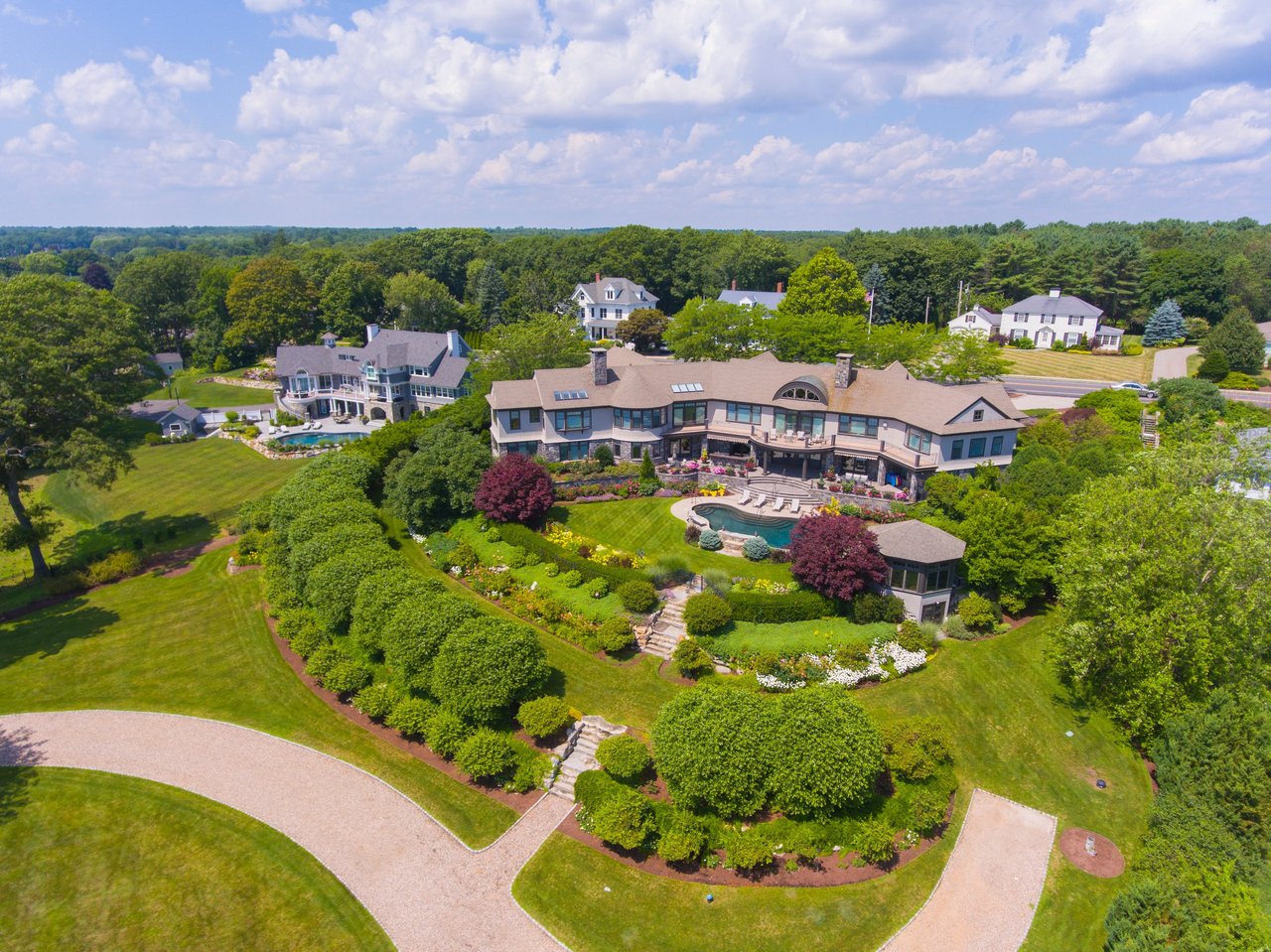
Franconia’s clearest investment profile is not a small urban-style rental. Based on the town’s short-term rental footprint and housing mix, the strongest fit is often a larger single-family home that works as a vacation property and a rental.
The town’s 2024 master plan says most identified full-home short-term rentals were 3 to 4 bedroom homes. That points to a guest profile centered on groups, families, and repeat seasonal visitors who want more space and flexibility than a standard hotel stay.
Location also matters. The town identified clustering around Mittersill, Route 18, and Route 116, which suggests that access to the park corridor and regional recreation is part of the value equation. When you underwrite a property here, convenience to outdoor attractions is likely to matter more than year-round commuter demand.
Costs to Underwrite Carefully
Property Taxes in Franconia
Carrying costs can make or break an investment decision, especially in a seasonal market. Franconia’s 2025 total property tax rate was $15.94 per $1,000 of assessed value.
That works out to about $7,970 per year on a $500,000 assessment and about $8,453 on a $530,300 assessment. Those are rough estimates, but they give you a useful baseline before adding insurance, utilities, maintenance, snow removal, and compliance costs.
Compared with nearby towns, Franconia sits in the middle of the local tax picture. Lincoln’s 2025 tax rate was lower at $12.66, Littleton’s was $14.10, and Bethlehem’s was higher at $16.67.
| Town | 2025 Tax Rate per $1,000 | Estimated Tax on $500,000 |
|---|---|---|
| Franconia | $15.94 | $7,970 |
| Lincoln | $12.66 | $6,330 |
| Littleton | $14.10 | $7,050 |
| Bethlehem | $16.67 | $8,335 |
If you are comparing towns, Franconia costs about $1,640 more per year than Lincoln and about $920 more than Littleton on a $500,000 home. Bethlehem is about $365 higher than Franconia at that price point.
Transfer Tax at Closing
New Hampshire also has a real estate transfer tax that buyers should plan for. The tax is $0.75 per $100 of consideration, paid by both buyer and seller.
For a vacation home or short-term rental purchase, that can be a meaningful closing-cost line item. It is worth building into your upfront cash planning, especially if you are also budgeting for furnishing, repairs, or upgrades before launch.
Short-Term Rental Rules and Compliance
If you plan to operate a short-term rental in Franconia, you need to account for both state and local requirements. At the state level, New Hampshire’s Meals & Rooms tax is 8.5% for taxable periods beginning October 1, 2021.
The New Hampshire Department of Revenue Administration defines a short-term rental as a residential unit offered for tourist or transient use for less than 185 consecutive days. Operators must register, monthly returns are due on the 15th of the following month, and advertisements for short-term rentals must include the operator’s meals-and-rooms license number.
At the local level, Franconia lists a Short-Term Rental Application on its website. The town’s 2024 report also lists $11,700 in short-term rental permit revenue, which points to a local permit process that owners should factor into both setup and ongoing operations.
This is one area where local guidance matters. Before you buy, make sure you understand the town’s permit steps, application timing, and any operational standards that may affect your plans.
Long-Term Rental as a Backup Plan
Not every property needs to live or die by short-term rental performance. If you want a fallback option, long-term rental benchmarks can help frame the downside.
For Grafton County, New Hampshire Housing’s FY2026 fair market rents were $1,909 for a 2-bedroom unit, $2,590 for a 3-bedroom unit, and $2,630 for a 4-bedroom unit. These figures do not predict what an individual property will earn, but they can give you a grounded comparison if you are evaluating alternate use.
That matters in a seasonal market like Franconia. Conservative underwriting usually works better here than assuming full, hotel-like occupancy all year.
How Franconia Compares Nearby
Franconia vs. Lincoln
Lincoln is the closest high-volume resort comparison. It has Loon Mountain Ski Resort, more recreation-centered development, a lower 2025 tax rate than Franconia, and an active short-term rental registration process.
For you, Lincoln may feel like a more formalized resort market with more tourism infrastructure. Franconia can appeal if you prefer a second-home market tied closely to Franconia Notch and Cannon Mountain rather than a larger resort-centered setting.
Franconia vs. Littleton
Littleton offers a different profile. It is less ski-centric and more of a year-round service town, and the town reports that storefront vacancy dropped from 20% twelve years ago to 2% today.
That points to a stronger non-seasonal downtown economy. If your goal is steadier year-round demand and less dependence on ski weekends and foliage spikes, Littleton may be worth comparing alongside Franconia.
Franconia vs. Bethlehem
Bethlehem is more of a lifestyle comparison than a lower-cost alternative. Its 2025 tax rate was higher than Franconia’s, so it does not offer a clear tax advantage.
For buyers choosing between the two, the decision may come down more to property type, setting, and how you want to use the home rather than simple carrying costs.
The Best Investment Thesis in Franconia
The clearest case for buying in Franconia is a dual-use vacation home that can serve you personally and also capture peak seasonal demand. The market already has a strong second-home base, a visible short-term rental presence, and several well-defined tourism seasons.
That said, this is not a place to underwrite as if every month looks the same. Winter ski weeks, fall foliage weekends, and summer park traffic are real drivers, but they are not evenly distributed across the calendar.
In practical terms, the best fit is often a larger single-family home with broad guest appeal, easy access to recreation, and enough flexibility for both personal use and rental use. If you go in with realistic expectations about seasonality, taxes, and compliance, Franconia can make a compelling addition to a White Mountains portfolio.
If you are weighing Franconia against Lincoln, Littleton, or another White Mountains town, local context can make a big difference. Bailey Clermont can help you compare carrying costs, property fit, short-term rental potential, and hands-on management options so you can move forward with confidence.
FAQs
What makes Franconia different from a typical rental market?
- Franconia functions more like a second-home and vacation market, with nearly half of its housing described as non-primary and vacation or recreational in nature in the town’s 2024 master plan.
How seasonal is short-term rental demand in Franconia?
- Demand is shaped heavily by winter skiing at Cannon Mountain, fall foliage traffic in Franconia Notch, and summer recreation in and around the state park.
What type of short-term rental property is most common in Franconia?
- The town identified many full-home short-term rentals as 3 to 4 bedroom properties, which suggests larger single-family homes are a common fit.
What is Franconia’s property tax rate for investors?
- Franconia’s 2025 total property tax rate was $15.94 per $1,000 of assessed value, or about $7,970 annually on a $500,000 assessment.
Does Franconia have local short-term rental permitting?
- Yes. Franconia lists a Short-Term Rental Application on its website, and town reporting shows short-term rental permit revenue, indicating a local permit process.
What New Hampshire tax applies to short-term rentals?
- New Hampshire’s Meals & Rooms tax is 8.5%, and qualifying short-term rental operators must register, file monthly returns, and include their license number in advertisements.
Is Franconia better for short-term rentals than Littleton?
- Franconia is more tied to seasonal vacation demand, while Littleton appears to offer a stronger year-round service economy, so the better fit depends on your investment goals.
Can a Franconia property also work as a long-term rental?
- It can, and Grafton County fair market rents provide a useful backup benchmark, though those numbers are not a forecast of income for any specific property.