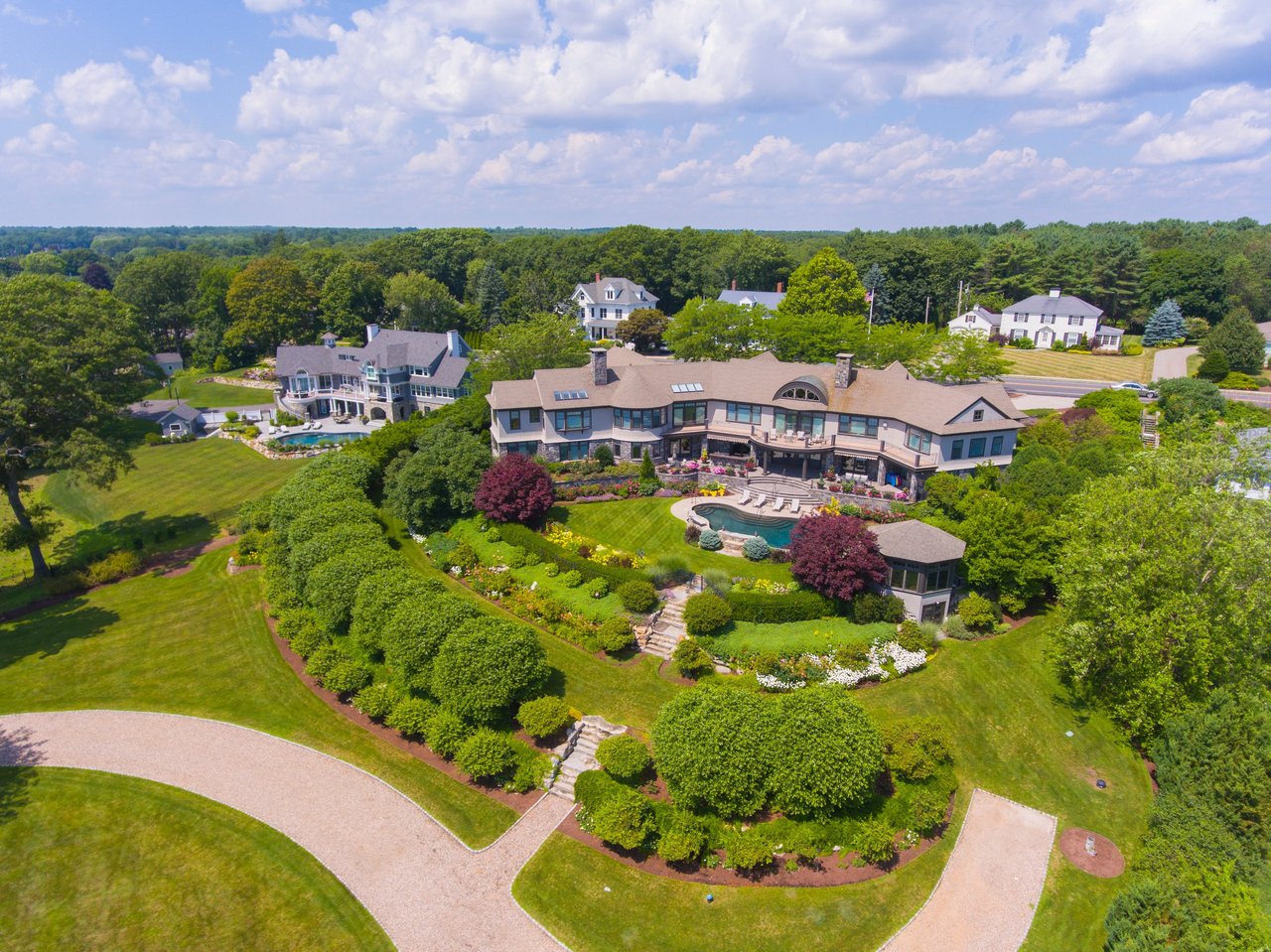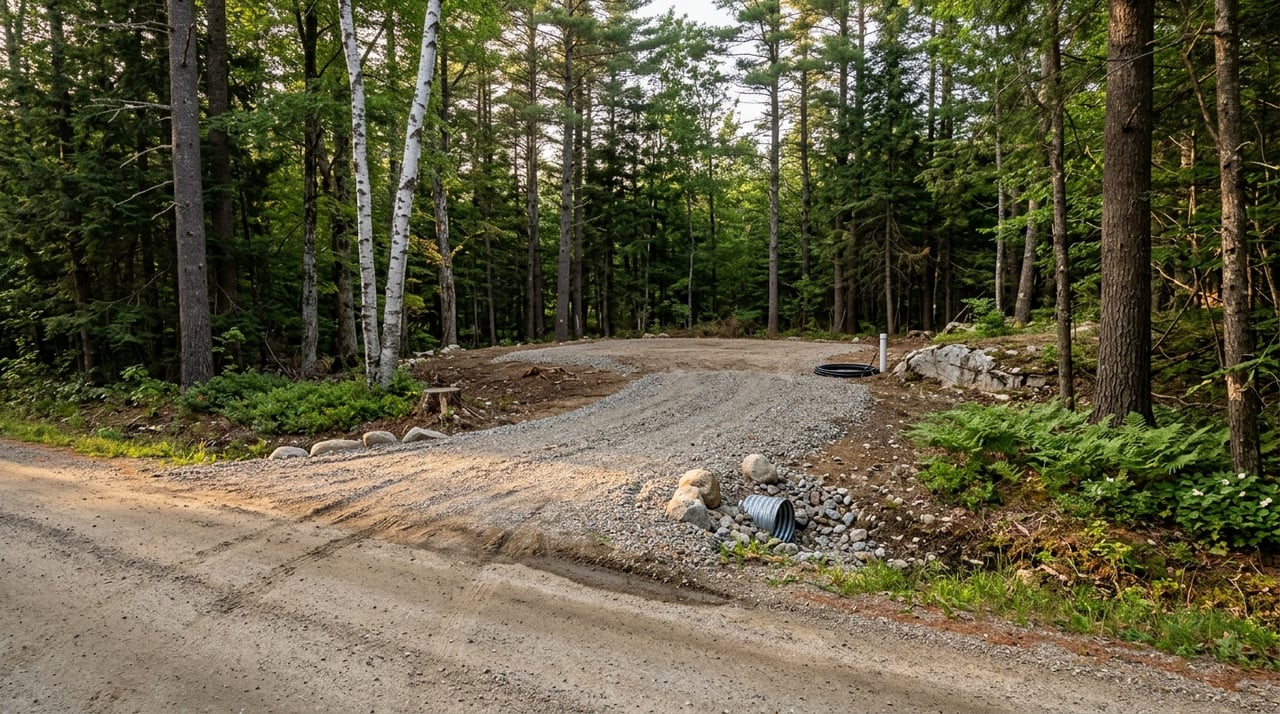
If you have your eye on land near Squam Lake, you already know the appeal is real. Holderness offers that classic New Hampshire mix of lake access, rural beauty, and long-term lifestyle value, but buying a parcel here is not as simple as comparing acreage and price. The right lot depends on access, septic feasibility, shoreline rules, and how you plan to use the property over time. Let’s dive in.
Why Holderness Land Gets Extra Attention
Holderness is a small rural town between the White Mountains and the Squam Lakes, and the town’s planning materials make it clear that lakes, conservation resources, and seasonal living shape the local landscape. Town records have noted that about 33% of residential units were seasonal, especially near larger water bodies. That means many parcels near Squam Lake come with a mix of lifestyle appeal and added site constraints.
When you start shopping for land here, you may see waterfront lots, older camp-style holdings, year-round home sites, and parcels that rely on private roads or deeded easements. In Holderness, raw acreage does not tell the whole story. A smaller parcel with solid access and workable soils may be more usable than a larger one with shoreline restrictions or road issues.
Start With Access Before You Fall in Love
One of the biggest mistakes buyers make is focusing on views first and access second. In Holderness, road frontage and legal access are major parts of whether a lot is practical for building and year-round use. This matters just as much for a future vacation home as it does for a primary residence.
The zoning ordinance sets different frontage minimums depending on the district. The GR district requires 150 feet of road frontage, the RR district requires 300 feet, and the CD district requires 100 feet. Some reduced-frontage situations are allowed, including certain curves, cul-de-sacs, or access through a deeded private easement at least 50 feet wide.
If a parcel borders Squam Lake, White Oak Pond, or the Pemigewasset River, the minimum shore frontage is 200 feet. That can affect waterfront options more than buyers expect. A listing may sound generous on paper, but frontage requirements can narrow what is actually possible.
Private Roads Matter More Than Many Buyers Realize
Near Squam Lake, some parcels depend on private roads, shared driveways, or older access arrangements. Holderness allows a shared driveway for up to two adjacent lots on a 50-foot easement, but the deeds must clearly describe construction, repair, maintenance, and snowplowing responsibilities. If that language is vague, it can create headaches later.
Winter use is another key issue. The town maintains about 38 miles of town roads, but Class VI roads and private roads or driveways are not winter-maintained, except for Ledge Road by special arrangement. If you picture year-round access, ski weekends, or easy holiday visits, road class and snow maintenance should be checked early.
Utilities Can Define Buildability
In Holderness, utility assumptions can get buyers into trouble. Most properties do not have access to municipal sewer, and the town’s master plan identifies only a limited sewer district serving River Street, the Intervale on NH Route 175A, and Holderness School through Plymouth’s wastewater plant. For most land buyers, septic planning is part of the process.
Where no public water or sewer exists, lot layout has to work for on-site systems. The town requires septic plans to be prepared by an NHDES-authorized designer, approved locally first, and then submitted to NHDES for construction approval. According to town materials, state review typically takes about 15 days.
That does not mean every lot is ready to go. Soil, slope, and usable area all affect whether a septic design will work. In a lake market like Holderness, septic feasibility is often one of the first tests of whether a parcel is truly buildable.
Shoreland Rules Can Shrink Usable Space
Land near Squam Lake often comes with stricter review because of shoreland and wetlands protections. NHDES says protected shoreland generally includes land within 250 feet of the reference line of public waters, including lakes and ponds larger than 10 acres. In Holderness, no construction, excavation, or filling may begin in protected shoreland without the required state permit.
Local rules add another important layer. Holderness says no structure, including wells, may be located within 50 feet of a lake, pond, perennial stream, or wetland. That 50-foot area must remain a native vegetative buffer, and any access path through it may not exceed 6 feet in width.
For buyers, this means the most scenic part of a lot may not be the most usable part. A parcel can have beautiful water proximity but still offer a smaller building envelope than expected once setbacks, buffers, and environmental review are considered.
Wetlands and Terrain Can Change the Plan
Beyond the shoreline itself, the lot’s shape and topography matter. Holderness defines steep slope as 15% or greater, and minimum lot size may increase depending on soil and slope conditions. In the RR district, lot coverage is limited to 15% of usable lot area, which can affect your home footprint, driveway, parking area, and outdoor improvements.
The zoning ordinance also includes a Flood Hazard District and FEMA Special Flood Hazard Areas on the zoning map. For lower-lying or shoreline parcels, checking flood mapping is an important step before you settle on a design idea. A lot that looks perfect in photos may require a more creative building approach once real site conditions are reviewed.
Know the Permits Before You Buy
Holderness requires building permits for new houses and many site changes, including septic systems, garages, sheds, pools, fences, signs, paving, and alterations or renovations over $5,000. The permit process is detailed, and that is a clue to what the town considers important.
Permit instructions require a scaled plot plan showing lot lines, septic, wells, wetlands, lake frontage, roads, rights-of-way or easements, steep slopes, road class, and current-use status. The town says permit applications are generally reviewed in about one week to ten days. Construction must begin within six months, and the permit remains valid for two years from the start of construction.
If your project disturbs enough ground, an NHDES alteration-of-terrain permit may also apply. This is another reason land buyers in Holderness should think like site planners early in the process. The lot itself often sets the timeline.
Seasonal Use vs Year-Round Living
A lot near Squam Lake may fit your summer vision perfectly, but that does not automatically mean it is ready for full-time use later. Holderness defines seasonal use as not more than six months of continuous use in a calendar year without establishing domicile or permanent residence. That distinction matters if you are planning to build a camp now and convert it later.
The zoning ordinance treats seasonal-to-year-round conversion as a separate permit action. It requires current septic compliance, energy-code compliance, and no increase in nonconformity. In simple terms, a parcel that works for seasonal enjoyment may need additional review before it supports year-round living.
This is especially important for second-home buyers and future retirees. If your long-term plan includes more than summer weekends, you will want to evaluate the lot for both current enjoyment and future flexibility.
A Smart Due Diligence Checklist
In Holderness, the safest approach is to evaluate land as a site plan problem before you treat it like a simple listing search. The town’s own forms and regulations point to a practical sequence that can save time and money.
Here are the key items to review early:
- Confirm the zoning district and any overlay maps
- Verify required road frontage or legal easement access
- Check road class and whether winter maintenance is provided
- Review deed language for private road, driveway, and snowplowing responsibility
- Order survey and septic feasibility work as early as possible
- Check shoreland, wetlands, flood hazard, and steep slope conditions
- Confirm whether the parcel is in current use
- Review driveway approval needs before locking in a house concept
For developed waterfront property within 200 feet of a freshwater body or river that uses a septic system, there is another point to know. Holderness says a site assessment form must be filed with the Town Clerk before the purchase and sale agreement under RSA 485-A:39. If you are comparing waterfront opportunities, that step can affect timing and negotiations.
What This Means for Your Search
Buying land near Squam Lake in Holderness can be rewarding, but the best parcels are rarely defined by scenery alone. Access, frontage, septic design, shoreline buffers, and terrain all shape what you can actually build and how easily you can enjoy it. In this market, the details behind the listing matter just as much as the setting.
If you want a lake-area parcel for a custom home, a future getaway, or a long-term investment, local guidance can make the process much smoother. A careful, informed search helps you avoid surprises and focus on lots that truly match your goals.
When you are ready to explore land opportunities in Holderness and the surrounding Lakes Region, connect with Bailey Clermont for practical local insight and responsive guidance.
FAQs
What should you check first when buying land near Squam Lake in Holderness?
- Start with legal access, road frontage, road class, and septic feasibility before focusing on house plans or views.
How much road frontage does a Holderness lot need?
- It depends on the zoning district. Holderness requires 150 feet in the GR district, 300 feet in the RR district, and 100 feet in the CD district, with limited exceptions.
Can you build close to Squam Lake in Holderness?
- Building near the lake is subject to shoreland and local setback rules, including state shoreland permitting and a local 50-foot vegetative buffer from lakes, ponds, perennial streams, and wetlands.
Do most lots in Holderness use septic systems?
- Yes. Most of Holderness does not have municipal sewer service, so many properties rely on on-site septic systems that must be designed and approved through the required process.
Are private roads a concern for land buyers in Holderness?
- Yes. Private roads and Class VI roads may not be winter-maintained, and buyers should review deeded maintenance and snowplowing responsibilities carefully.
Can a seasonal property in Holderness become a year-round home later?
- Sometimes, but it requires a separate permit action and must meet current septic, energy-code, and zoning requirements without increasing nonconformity.