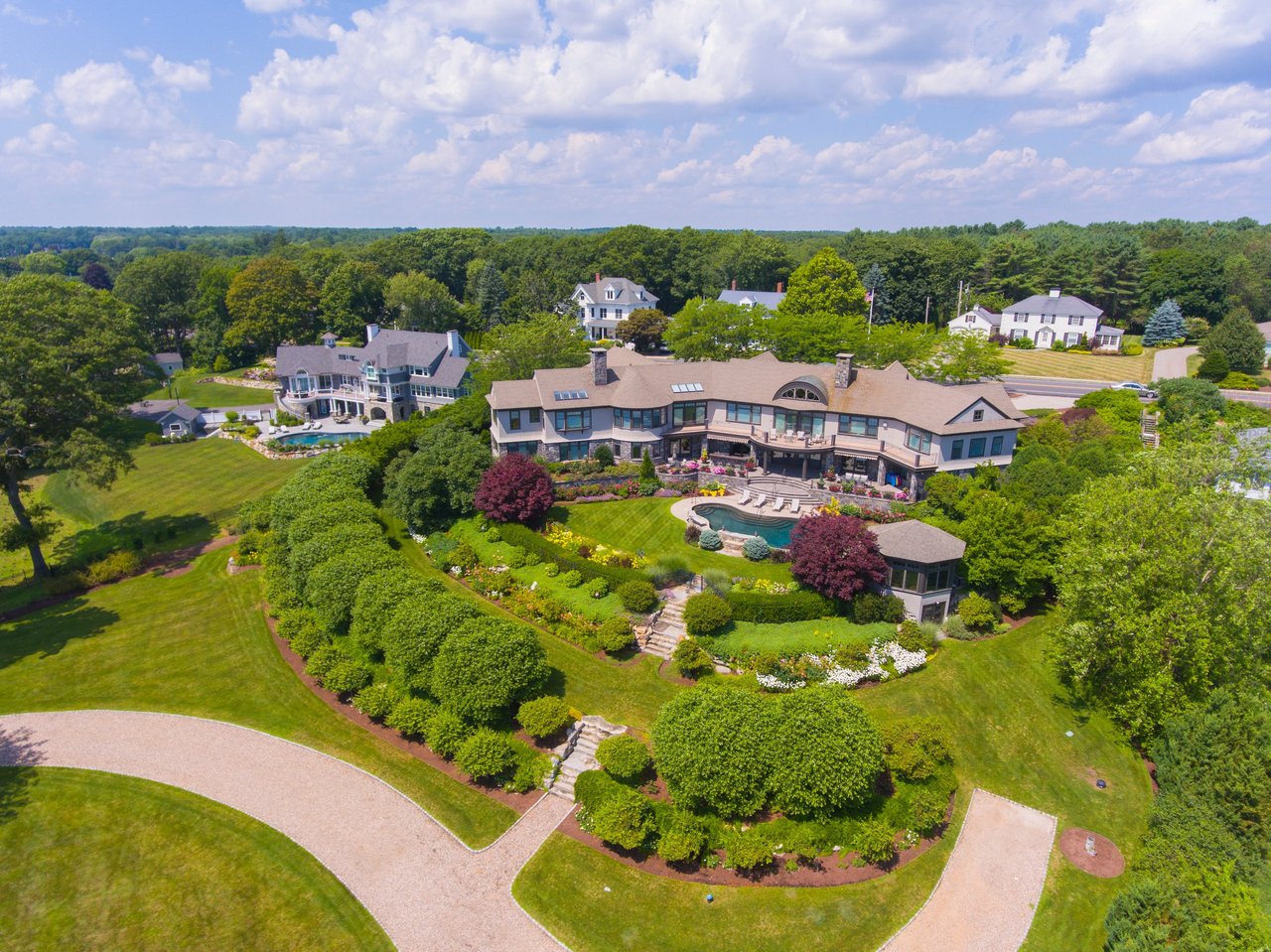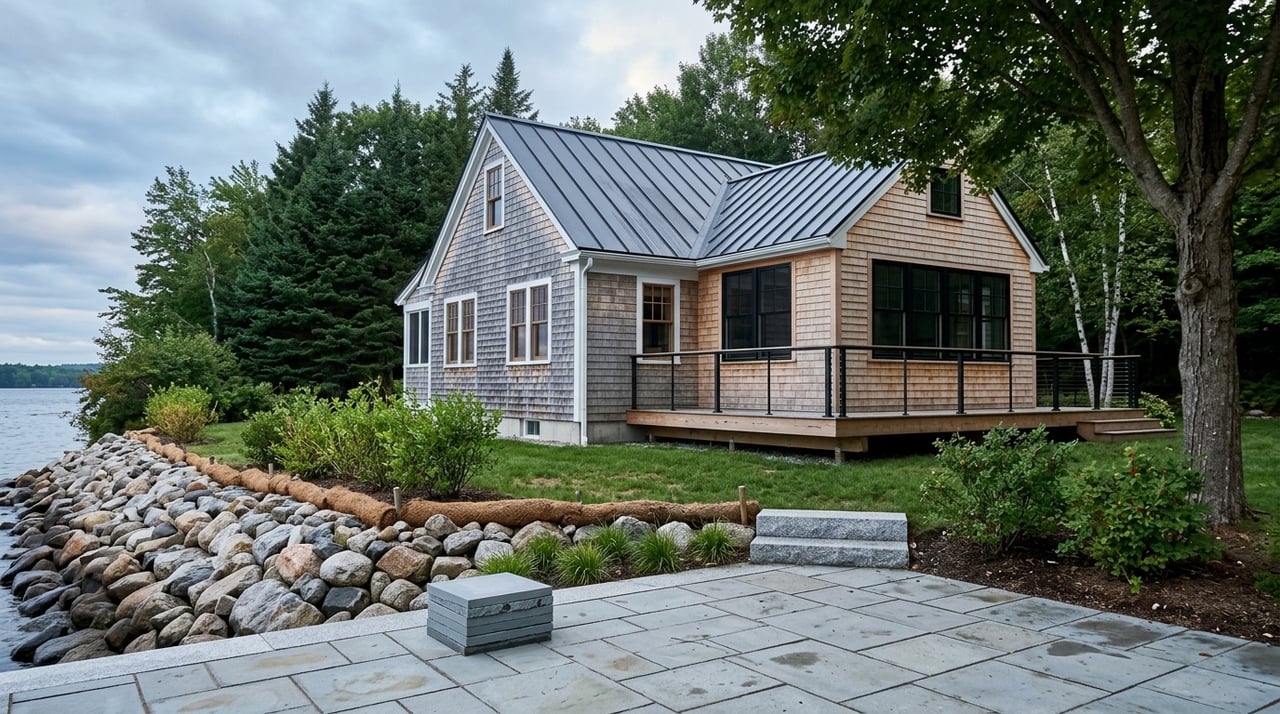
If you are dreaming about a place on the water in Meredith, one of the first big questions is simple: should you build from the ground up or buy a home that is already there? It is an exciting choice, but it can also get complicated fast once you look at shoreline rules, lot size limits, permits, and renovation flexibility. The good news is that with the right local guidance, you can compare both paths clearly and avoid expensive surprises. Let’s dive in.
Why Meredith lakefront is different
Building or buying on the lake in Meredith is not the same as making this decision in a typical neighborhood. Waterfront property here comes with added town and state rules that can shape what you can do with a parcel, how long your timeline may be, and how much flexibility you will have later.
According to Meredith’s zoning ordinance, the Shoreline District generally extends about 300 feet inland from the shoreline on Lake Winnipesaukee, Winnisquam, Wicwas, Waukewan, Pemigewasset, and all islands in Meredith. The district is intended to protect water quality, adjacent shorelines, privacy, and tranquility, with special emphasis on Lake Waukewan as the town’s public water supply.
That matters because many waterfront lots face stricter requirements than inland parcels. In the Shoreline District, waterfront lots generally need 40,000 square feet per family, 150 feet of frontage, and a 65-foot shoreline setback under the current ordinance. That combination can make truly buildable lake lots harder to find and can leave many older parcels legally nonconforming.
Build vs buy at a glance
For most buyers, the decision comes down to one main tradeoff: customization versus speed and predictability. Building gives you more control over layout, finishes, and systems. Buying an existing lake house usually gets you on the water faster with fewer early-stage approvals.
Here is a simple side-by-side view:
| Option | Main Advantage | Main Challenge |
|---|---|---|
| Build on a lot | More control over design and features | More permits, more timeline risk, and more site uncertainty |
| Buy existing | Faster path to enjoying the property | Less freedom to expand, rebuild, or change a nonconforming home |
In Meredith, the right answer often depends less on personal taste and more on whether the parcel can realistically support your plans under current shoreline and shoreland rules.
What building on the lake usually involves
Starting with raw land can sound appealing, especially if you want a modern layout, updated systems, and a home designed around the way you actually live. But in Meredith, building on or near the shoreline often means moving through several layers of review before construction begins.
The town’s Planning Board page explains that the Planning Board handles subdivisions and site plans, while the Zoning Board of Adjustment handles variances and special exceptions. Depending on the lot, a new waterfront home may also need a building permit, state shoreland review, and possibly wetlands permitting.
That process can become more involved if the parcel is undersized, nonconforming, or includes shoreline features like a dock or boathouse. Meredith’s zoning ordinance notes that boathouses over the water or dug into the shoreline are allowed only by special exception, and docks must be at least 10 feet from side property lines.
Shoreland rules can shape the design
State rules matter too. The New Hampshire Department of Environmental Services says the state’s protected shoreland includes land within 250 feet of lakes and ponds larger than 10 acres, and that shoreland permits are required for excavation, fill, and construction in that zone, though some lower-impact work may qualify for permit-by-notification.
For a full new house or a major lakefront project, you should expect a more detailed review path. That does not mean building is impossible. It does mean your timeline, design, and budget should account for extra steps early in the process.
Utilities can change the path
Utilities are another major part of the decision. Meredith says on its Water & Sewer page that it serves 1,367 sewer customers and that about 45% of the resident population is served by municipal water.
The town also classifies lots based on utility availability. Some properties may have municipal water and sewer, some may have sewer with a private well, and others may rely on well and septic. Before you fall in love with a lot, it is smart to understand which setup applies because it can affect site design, approvals, and project cost.
Fees and inspections add time and cost
New construction also brings town fees and required inspections. Meredith’s fee schedule lists new single-family construction at $0.25 per square foot of gross area, including the basement. Docks are $40, septic permits are $50, Planning Board site-plan review starts at $300 plus $0.03 per square foot of disturbance for most site plans, and ZBA variances and special exceptions are $100 each.
Then there are inspection and closeout requirements. Meredith’s required inspections guide notes that certificate of occupancy sign-off may require items such as septic approval for operation, water and sewer sign-off if applicable, a blower-door test for new construction, an as-built plan, and a full well test for new or replacement wells.
Why buying existing can be easier
If your goal is to enjoy a lake season sooner and reduce entitlement risk, buying an existing home often has a real advantage. The structure, driveway, and some utility infrastructure may already be in place, which can shorten the path from contract to occupancy.
This can be especially appealing in a market where waterfront inventory is limited and premium properties command strong prices. Recent local coverage cited in the research notes reported a 2025 Lake Winnipesaukee waterfront median sales price around $2.75 million, so many buyers weigh not just cost but also how much certainty they want.
Existing does not always mean flexible
There is an important catch, though. Meredith’s zoning ordinance makes clear that many older waterfront homes are nonconforming. That means you should not assume you can freely enlarge, reposition, or fully rebuild later just because a house is already standing.
The ordinance states that a vacant nonconforming lot of record may be built upon only if the proposed building meets all current ordinance requirements. It also says some work on nonconforming structures may be allowed by building permit, such as replacing a foundation without expanding the footprint or replacing the structure in the same location and configuration, while larger changes can require a special exception.
That makes buying existing a great fit for some buyers and a frustrating fit for others. If you want a lower-drama purchase and can live with the home largely as it is, existing inventory can make a lot of sense. If you already know you want a major renovation, teardown, or large addition, the property needs closer review before you move forward.
Future shoreline work may still need permits
Even after you buy, shoreline compliance does not go away. NHDES explains in its shoreland permitting guidance that permits are required for excavation, fill, and construction within protected shoreland unless the work is already covered under a wetlands permit, and wetlands permits are required for fill and dredge in wetlands jurisdiction.
So, if you are thinking ahead about adding a deck, changing a driveway, modifying the site, or adjusting waterfront features, those ideas should be reviewed early. Buying existing reduces some risk, but it does not remove the need for careful planning.
Questions to ask before you decide
Whether you are looking at land or an older cottage, these are the questions that usually matter most in Meredith:
- Is the lot buildable under current frontage, setback, and shoreline rules?
- Is the property conforming or legally nonconforming?
- Will the property use municipal water, municipal sewer, well, septic, or some combination?
- Will your plans require Planning Board review, a variance, or a special exception?
- Will state shoreland or wetlands permits be needed?
- If you buy existing, how much can you realistically change later?
- How much will local permit and review fees add to your project?
- Do you want a faster move-in, or is customization worth a longer timeline?
These questions can save you a lot of time and money because they get to the core of what makes Meredith lakefront property unique.
When building makes the most sense
Building can be the better path if your top priority is getting exactly what you want. That may include a modern floor plan, updated energy performance, newer systems, and a layout designed for year-round use, weekend living, or hosting on the lake.
It can also make sense if you find a parcel that clearly supports your plan without obvious zoning conflicts. A lot that meets frontage, area, setback, and utility needs may offer a smoother path than many buyers expect.
In short, building tends to fit buyers who value customization more than speed. It usually works best when you are patient, flexible, and prepared for a longer pre-construction phase.
When buying existing is the smarter move
Buying an existing lake house is often the better option if you want to be on the water sooner and with fewer unknowns. You may still plan updates over time, but you are not starting with raw land, multiple agency reviews, and a long design-and-permitting cycle.
This path can be especially attractive for second-home buyers, seasonal owners, or anyone who wants to enjoy the property right away. If your main goal is access, location, and a more certain timeline, existing inventory often wins.
The Meredith bottom line
In Meredith, building versus buying is rarely just a style decision. It is usually a question of what the lot can support, how much process you are comfortable with, and whether speed or customization matters more to you.
If a shoreline parcel meets current rules and fits your vision, building can be a rewarding long-term move. If the lot is tight, nonconforming, or likely to need variances or special exceptions, buying an existing home may be the more practical and predictable option.
If you are weighing both paths in Meredith or anywhere around Lake Winnipesaukee, working with a local guide can help you narrow the field quickly and ask better questions before you commit. If you want help comparing lots, existing cottages, or next-step opportunities in the Lakes Region, connect with Bailey Clermont.
FAQs
Is it harder to build on a lakefront lot in Meredith than inland?
- Yes. Meredith’s Shoreline District and New Hampshire shoreland rules can add setback, frontage, lot-size, and permitting requirements that do not apply the same way on many inland parcels.
What shoreline rules apply to Meredith lakefront property?
- Meredith’s current zoning ordinance says waterfront lots in the Shoreline District generally need 40,000 square feet per family, 150 feet of frontage, and a 65-foot shoreline setback.
Do Meredith lakefront builds need state permits?
- Many do. NHDES says shoreland permits are required for excavation, fill, and construction within protected shoreland, and wetlands permits may also be required depending on the site.
Can you expand an older lake cottage in Meredith?
- Sometimes, but not always. Older waterfront homes may be nonconforming, and while some repairs or same-footprint replacements may be allowed by permit, larger changes can require a special exception.
Does buying an existing lake house avoid all permit issues?
- No. Buying existing can reduce early entitlement risk, but later site work, additions, or shoreline changes may still require town or state approvals.
What town fees should you expect for a Meredith lakefront build?
- Meredith lists new single-family construction at $0.25 per square foot of gross area, with added fees possible for septic permits, dock permits, site-plan review, and ZBA applications.
How do utilities affect a build-versus-buy decision in Meredith?
- Utility access can strongly affect design and cost because some properties have municipal water or sewer, while others rely on private wells and septic systems.
Is buying existing usually faster than building on the lake in Meredith?
- In most cases, yes. An existing home often shortens the path to occupancy because the house, driveway, and some infrastructure are already in place.