Thinking about buying a Loon Mountain condo in Lincoln for your own ski getaways and some rental income on the side? You’re not alone. The White Mountains lifestyle, backed by strong winter and fall demand, makes this market attractive for second‑home buyers and short‑term rental owners. In this guide, you’ll learn how the local seasons affect occupancy, what costs to expect, how to evaluate revenue potential, and the key steps to take before you buy. Let’s dive in.
Why Loon Mountain draws renters
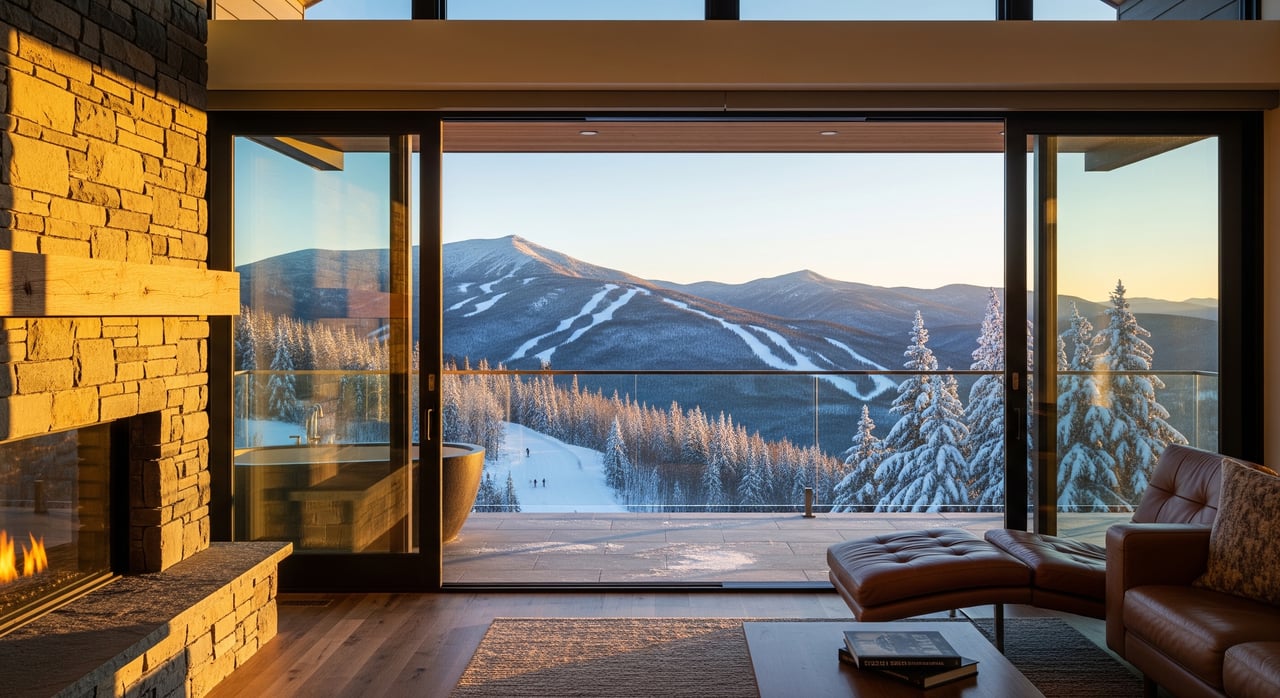
Loon Mountain Resort anchors Lincoln’s visitor economy with downhill skiing and snow sports in winter, then shifts to scenic gondola rides, mountain biking, and hiking in summer. Fall foliage adds another surge of travelers. That steady flow across seasons supports condo rentals when you position the property well and manage it effectively. You can explore resort timing and events directly through the Loon Mountain Resort site.
Multi‑season demand drivers
- Winter ski season is the primary driver, typically December through March.
- Fall foliage from mid‑September to mid‑October draws strong weekend and holiday demand.
- Summer and late spring bring hikers, bikers, and families, though rates and occupancy often trail winter and fall peaks.
Who rents here
- Overnight leisure travelers and multi‑family groups on ski weekends.
- Repeat seasonal visitors who know the area.
- Occasional corporate or retreat bookings tied to resort activities.
What type of condo fits your goals
Your ideal unit depends on how you plan to use it and who you want to attract as guests. Condition, proximity to the gondola/base area, views, and renovation level all influence both purchase price and rental performance.
Studios and efficiencies
- Lowest purchase prices and simpler turnovers.
- Limited sleeping capacity means tighter nightly rates.
- Best if your focus is frequent personal use plus occasional rental.
One to two bedrooms
- Often the sweet spot for investors near ski areas.
- Good balance of purchase price, nightly rate, and occupancy.
- Works well for couples, small families, and friends.
Three-plus bedrooms and ski‑in/ski‑out options
- Premium pricing and higher peak rates for group bookings.
- Strong appeal for extended families and multi‑family trips.
- Typically command better winter occupancy when close to lifts or shuttle routes.
Short‑term rental performance basics
Seasonality defines the Loon area. Plan around peak months and build conservative expectations for the shoulder seasons.
Seasonality and occupancy
- Peak occupancy: winter ski months and foliage season.
- Shoulder seasons: late spring and early fall can be softer outside holidays.
- Weekends usually outperform weekdays unless it is a holiday week.
Revenue drivers you control
- Average Daily Rate depends on unit size, finishes, amenities, location, and season.
- Listing quality, guest communications, and dynamic pricing improve booking pace.
- Cleanings, turnover timing, and maintaining five‑star standards support repeat bookings.
Where to find hard data
For accurate ADR and occupancy, use STR data services and live listings:
- Paid market analytics like AirDNA can show ADR, occupancy, and seasonal curves for Lincoln and nearby markets.
- Public platforms show live pricing and availability; scan calendars to spot seasonal gaps.
Costs and compliance to plan for
The right underwriting starts with a clear view of your monthly and per‑stay costs, plus local rules.
HOA fees and what they cover
- Common inclusions: exterior and common‑area maintenance, snow removal, landscaping, trash, building insurance, elevator service if applicable, reserves, and sometimes water/sewer or heat.
- Review the condo budget, reserve study, and any history of special assessments.
- Ask about winter operating costs and insurance implications for vacation rentals.
Taxes, registration, and reporting
- New Hampshire’s Rooms and Meals (Rentals) Tax applies to short‑term stays. Review current guidance on the NH Department of Revenue Administration site.
- Check local requirements, forms, and procedures with the Town of Lincoln. Some associations and towns require registrations, permits, or periodic filings.
- Confirm your condo association’s rental policies, minimum stays, and any rental fees or registration steps with the HOA.
Insurance and liability
- Standard condo policies often exclude STR activity. Ask an insurance broker for a short‑term rental endorsement or a dedicated STR policy, plus robust liability coverage.
- Consider winter‑specific risks like ice on walkways and ski equipment storage; plan guest communications and safety instructions accordingly.
Management: self‑manage or hire local help
You can self‑manage, hire a local property manager, or use a hybrid approach. Full‑service management commonly charges a percentage of rental revenue, while limited‑service models may use per‑booking fees.
- Self‑management: Better margin if you live nearby and can handle turnovers, guest issues, and winter emergencies.
- Local manager: Recommended if you prefer hands‑off operations or live out of town. Ask for sample P&Ls, fee schedules, and service scopes.
- Services to plan for: listing creation and photography, dynamic pricing, guest messaging, check‑in/out coordination, cleaning and linens, maintenance, winter prep, and bookkeeping.
Underwriting: build a clear, conservative model
Estimate revenue and expenses before you shop, then refine with property‑specific data.
- Research ADR and occupancy by season using AirDNA and local manager comps.
- Project gross revenue: ADR × occupancy × 365, with seasonal variations.
- List operating expenses: HOA, utilities, STR insurance, management fees, platform fees, cleanings, maintenance, supplies, taxes, permits, and reserves.
- Calculate NOI and, if financing, cash‑on‑cash return after debt service.
- Identify your break‑even occupancy and minimum nightly rate.
Due diligence checklist before you buy
- Confirm condo association rental rules, minimum stays, and any HOA rental fees.
- Review HOA budget, reserve study, meeting minutes, pending assessments, and any litigation.
- Request historical rental performance for the unit or comparable P&Ls from local managers.
- Inspect unit condition and HOA‑maintained systems; note any capital improvements needed.
- Verify STR registration steps and local tax obligations with the Town of Lincoln and the NH DRA.
- Build optimistic, moderate, and conservative scenarios using third‑party STR data and manager quotes.
- Call two to three local managers to confirm typical cleaning costs, turnover timelines, and winter prep.
Is a Loon condo a smart investment for you?
It can be, if your expectations match the market. If you want a mix of personal ski time and targeted income, Loon’s strong winter and foliage seasons can work in your favor. If you are returns‑first, you need conservative underwriting, clear HOA policies, and a plan for shoulder‑season vacancy.
Buyer profiles that fit
- Lifestyle‑first buyer: Values access to the mountain and accepts uneven cash flow in exchange for personal use and long‑term ownership.
- STR‑focused investor: Comfortable with seasonality and proficient at pricing, marketing, and guest service, or ready to hire a capable manager.
- Conservative investor: Seeks stable year‑round cash flow and will price carefully or consider larger nearby towns if steadier occupancy is a priority.
Risks to consider
- High seasonality that concentrates bookings in winter and fall.
- Regulatory or HOA changes that limit STRs.
- Expense volatility, including HOA assessments and insurance costs.
- Competitive supply from new or newly renovated STRs.
How Loon compares to nearby markets
- North Conway: Larger tourist hub with broader year‑round visitation and more retail and dining. Potential for higher peak ADRs alongside more competition.
- Bretton Woods / Mount Washington Valley: More premium lodging mix and event traffic. Different guest profile and price points.
- Waterville Valley: Similar mountain seasonality with its own demand drivers; distance from Loon shapes guest overlap.
- Littleton / Franconia: Often quieter and more residential. May offer lower entry prices but different occupancy dynamics.
Next steps
If a Loon Mountain condo is on your wish list, start with a clear plan. Define your personal‑use calendar, gather STR comps, and verify HOA rules for each complex you tour. Build a conservative revenue model and pressure‑test it with local manager quotes.
Ready to explore condos near the gondola or shuttle, compare complexes, and model rental potential with local data? Reach out to Bailey Clermont for on‑the‑ground guidance, virtual tours, and hands‑on short‑term rental support.
FAQs
Can I legally rent a Loon Mountain condo as a short‑term rental?
- Start with the condo association’s rental rules, then review local procedures with the Town of Lincoln and the state’s Rooms and Meals (Rentals) Tax at the NH DRA.
When is the best season for STR income near Loon?
- Winter ski months and fall foliage produce the strongest demand, while late spring and parts of summer typically see softer rates and occupancy.
How large are HOA fees for Lincoln condos and what do they cover?
- It varies by complex; review HOA budgets and reserves to confirm coverage for exterior maintenance, snow removal, insurance, and any included utilities.
Is it worth paying more to be closer to the gondola?
- Units near lifts or shuttle routes can command higher ADRs and occupancy, but also higher purchase prices; evaluate yield, not just price.
Should I self‑manage my Loon condo or hire a manager?
- If you are not local or prefer hands‑off operations, a local manager is recommended; include management fees and cleaning costs in your underwriting.
Where can I find reliable STR data for Lincoln, NH?
- Use paid tools like AirDNA for ADR and occupancy trends and verify with local property manager comps and live listing calendars.